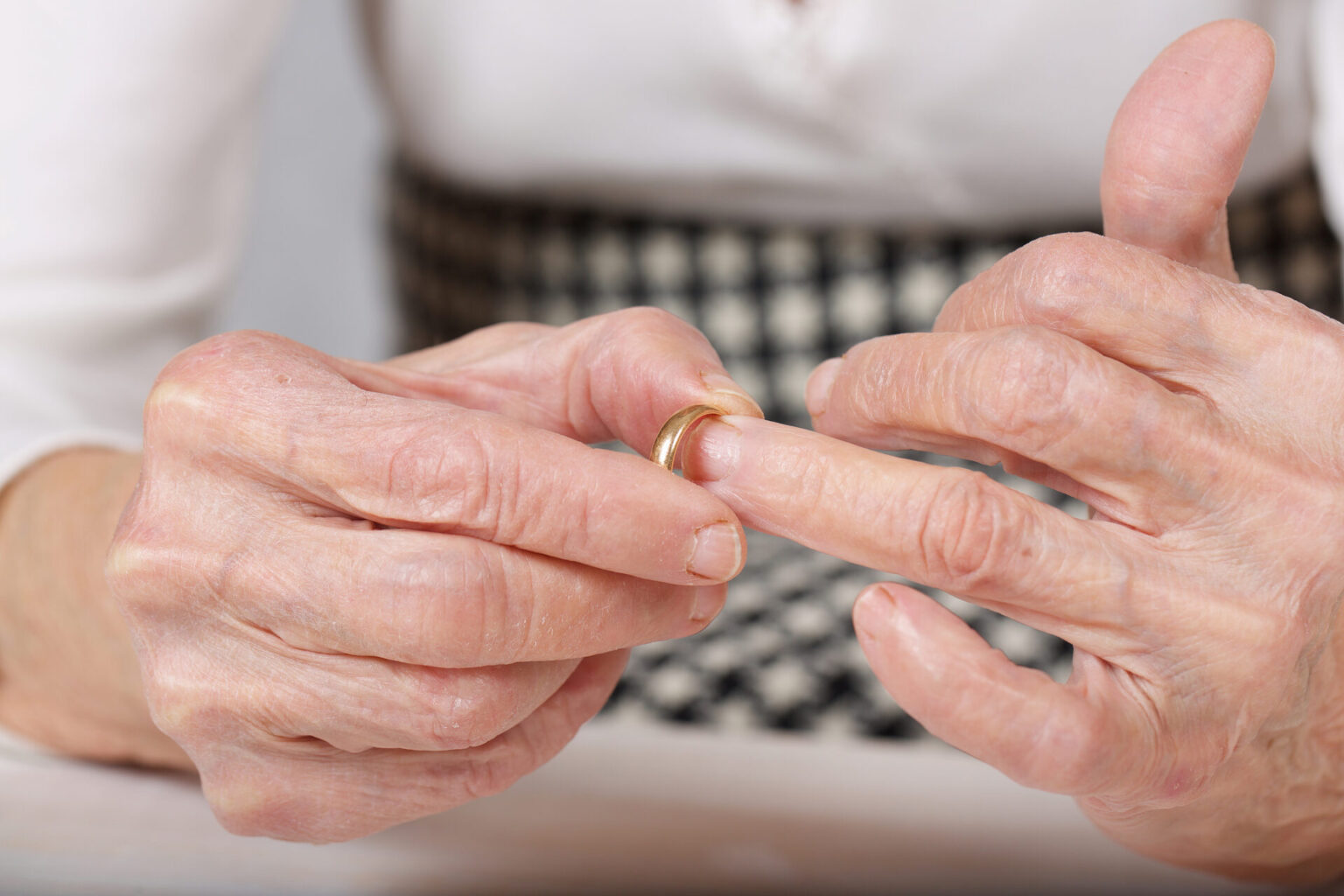
Grey divorce is rising across Canada as couples in their 50s and 60s choose new paths after decades together. But while the split may bring clarity or relief it can also reshape family relationships including those with adult children and grandchildren.
Divorce used to be something that happened in midlife (or sometimes even earlier!). But increasingly, couples who’ve shared decades, mortgages, grown children and now grandchildren are calling it quits. The media is calling this “grey divorce” (get it? Divorce after going grey) and it’s on the rise across the country and beyond. And like all relationship terminations, these later-in-life separations can be both liberating and devastating, as they reshape finances, redraw the lines on lifelong friendships and impact family dynamics in unexpected ways.
Read on to learn more.
So, what is grey divorce, exactly?
Grey divorce refers to couples aged 50 and older who decide to split up after many years together. It’s the fastest-growing segment of divorce in North America where about one in three divorces now involves people over 50. The reasons are as varied as the couples themselves. Some find that after years of parenting and working, they’ve simply drifted apart. Others face clashing visions for retirement or realize they’ve been “roommates” more than partners for years and want more than just comfortable companionship for their golden years.
Many older adults also feel that time is too precious to spend in unhappy or lacklustre relationships. As one psychologist recently put it, people in their 50s and 60s are “no longer willing to wait for joy.” That can sound empowering—but it also comes with serious emotional and practical fallout.
A different kind of breakup
Divorcing at 55 isn’t the same as divorcing at 35. When you’ve spent decades intertwined financially and socially, untangling your life is complex. Dividing pensions, investments and the family home can upend long-awaited retirement plans. As a result, some newly single older adults find themselves re-entering the workforce or downsizing dramatically.
On the emotional side, losing the person who’s been your partner through so many milestones can feel like losing part of your own story (even if it feels like the right thing to do). Friend groups may shift. Social invitations may dry up. And while some find new independence energizing, others feel unmoored.
One recent study found that later-life divorce can lead to lower emotional well-being if relationships with adult children become strained as a result. So while the split might bring some personal relief, it can also echo through the family in unexpected ways.
The ripple effect on adult children—and grandchildren
It’s easy to assume that adult kids would be unaffected by their parents’ divorce. After all, they’re grown. They have their own lives. But research suggests otherwise. Many adult children of grey-divorced parents report feeling blindsided, and even betrayed—especially if the marriage had always appeared solid.
For those raising kids of their own, the stress multiplies. Grandchildren may lose the familiar rhythm of holidays spent with both grandparents. A once-central family home might be sold. And the adult children may feel pressure to help parents emotionally or financially while juggling their own responsibilities.
Still, these families can adapt. The key is communication. Being open with adult children—and age-appropriate with grandchildren—helps everyone adjust. Maintaining family traditions in new ways, like alternating visits or celebrating together in neutral spaces, can preserve those vital inter-generational bonds.
Turning the page
For older adults facing a grey divorce, reframing the situation is critical (especially if you didn’t initiate the separation): It’s a chance to re-imagine what the next chapter might look like—on your own terms. Financial advice is critical, of course, but so is emotional rebuilding: finding community, rediscovering hobbies, even dating again if and when it feels right.
This phase can bring freedom, growth and self-discovery—but also requires honesty about grief, regret and change. The most successful transitions tend to come from treating it not as an ending, but as a reset.
Grey divorce is, in many ways, a reflection of longer life spans and shifting expectations about happiness. We’re not staying together “for the sake of it” anymore. But the ripple effects remind us that a breakup at 60 isn’t just about two people—it’s about a whole family system learning to find its new shape.