“Tiny world” crafts are a low-pressure, high-imagination activity lets kids build, play and tell stories—one small scene at a time.
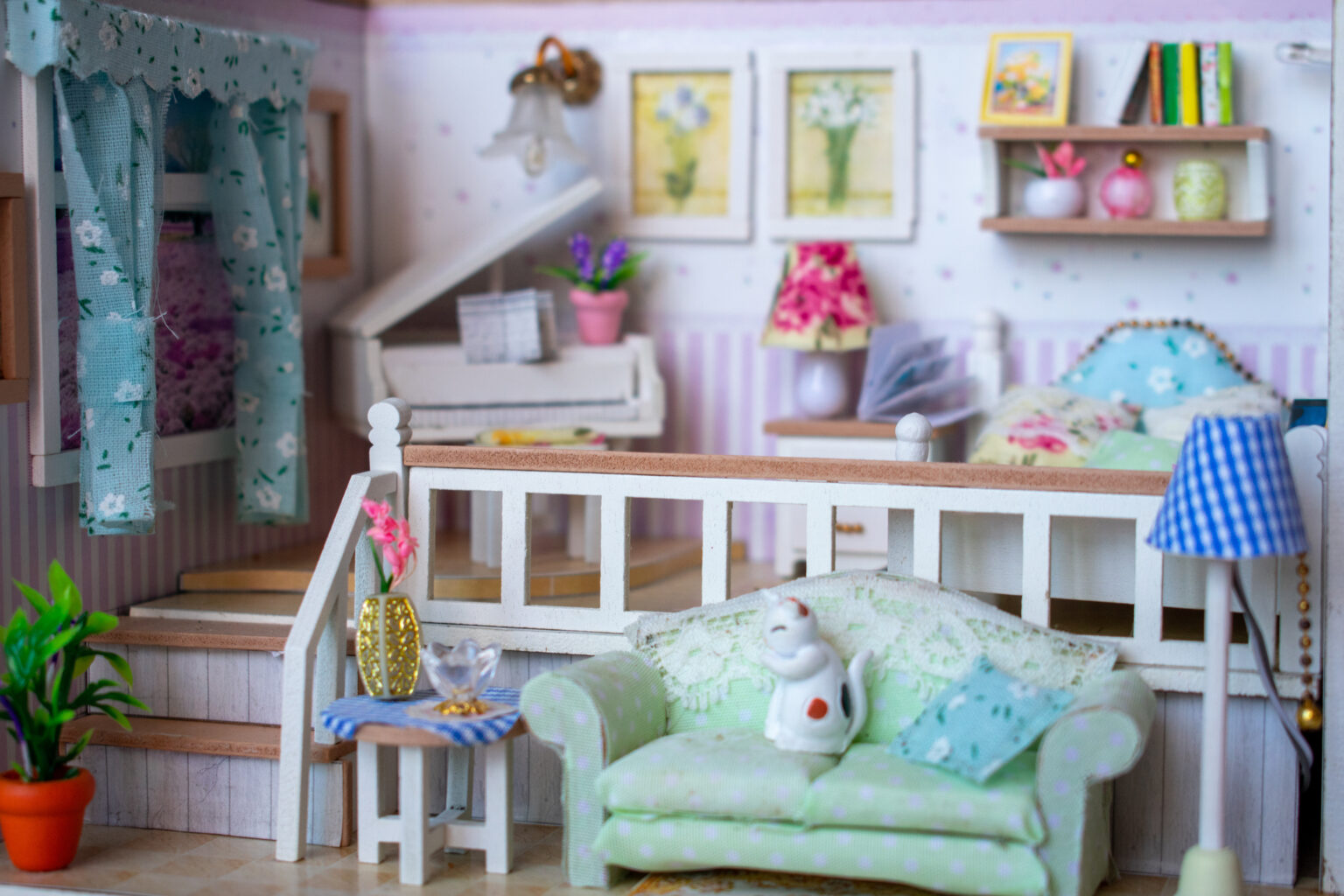
Miniature “life scenes” are having a moment—and it’s easy to see why. These tiny setups (think campsites, cafés, bookstores or beach days, all built on a cardboard platform, or inside a box or tray) blend crafting with storytelling in a way that pulls kids in fast.
Unlike more structured activities, there’s no “right” way to do it. Kids can create, rearrange and expand their worlds over time, adding new details and characters as their ideas evolve. A single crafternoon project can turn into an ongoing little universe.
And if they’re not sure where to start? Borrow a character and setting from a favourite book or show—then build the world around it.
Here’s how to make one at home.
What You’ll Need to Make “Tiny World” Crafts
- A base: shoebox, baking tray, shallow bin or sturdy piece of cardboard
- Paper (construction paper, scrapbook paper or plain white)
- Markers, crayons or paint
- Scissors and tape or glue
- Small toys or figurines (LEGO people, animals, dolls, etc.)
- Natural elements (sticks, rocks, leaves, sand)
- Recyclables (bottle caps, boxes, paper towel rolls)
- Fabric scraps, felt or tissue paper
Optional: string lights, stickers, washi tape, clay or playdough
How to Build “Tiny World” Crafts
Pick a theme (or a story).
Start with a simple idea. If your child feels stuck, suggest a favourite character—what would their world look like today?
Set the scene.
Line your base with paper or draw directly onto it. This becomes the “ground”—grass, sand, water, roads or floors. Add a backdrop if you like (a sky, buildings, mountains).
Build the big pieces.
Create the main structures first: tents, tables, counters, beds, trees. Use whatever you have—folded cardboard, stacked boxes, small containers.
Add details.
This is where it comes to life. Add tiny food, signs, paths, rugs, bookshelves, campfires, you name it. Encourage kids to notice the little things that make a place feel real.
Bring in characters.
Add people, animals or creatures and give them something to do. Who works here? Who’s visiting? What’s happening today?
Let the story grow.
The best part: It doesn’t end here. Tomorrow, the café might become a bakery. The campsite might get a storm. New characters can move in. Let kids rebuild, tweak and expand over time.
A Few Easy Prompts to Get Them Started
- A rainy-day reading nook
- A summer camp
- A busy pet shop
- A beach snack stand
- A tiny version of your own kitchen or living room
There’s no perfect outcome here—just imagination, problem-solving and a surprising amount of focus. Once one tiny world appears, don’t be surprised if a whole collection starts taking over your house.