More families are prioritzing outdoor time together, turning to post-dinner walks, driveway basketball and after-school park hangs as a way to reconnect, regulate and decompress together.
Family life has become incredibly indoorsy.
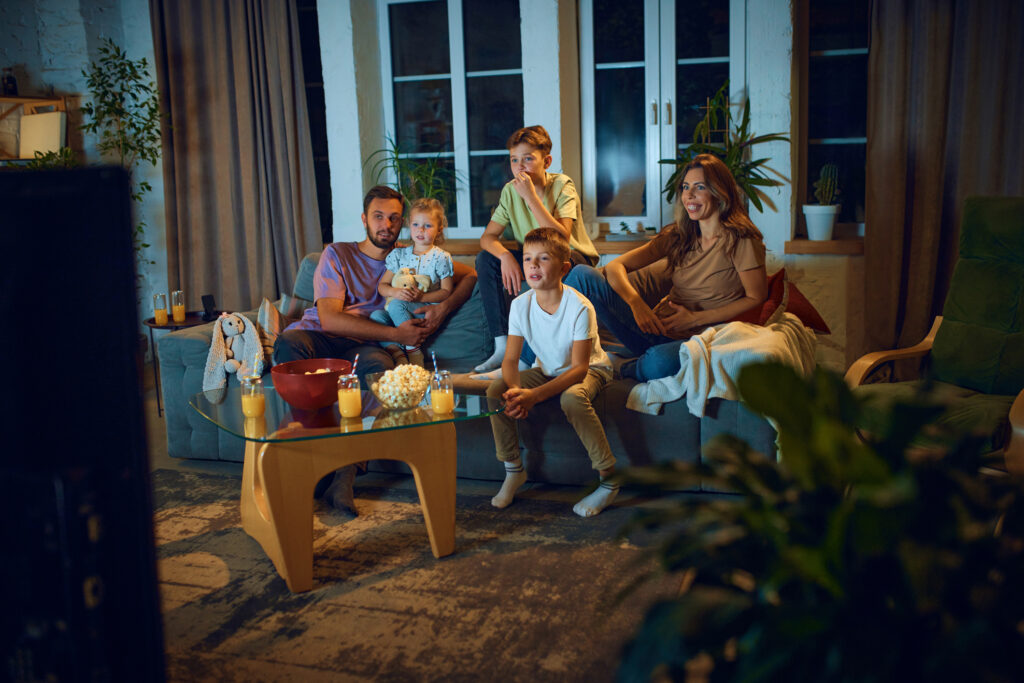
Parents work on laptops, kids unwind on tablets and gaming systems and homework happens at the kitchen table. Even social lives increasingly exist through group chats, FaceTime and Snapchat streaks.
So it’s perhaps not surprising that many families are starting to feel a little digitally cooked.
According to a current LEO poll conducted for ParentsCanada, outdoor activities—including walks, parks, sports and time in nature—was the number one thing parents wished they could do more often as a family. At the same time, concerns about children’s mental health and emotions, along with screen time and social media use, ranked among parents’ biggest worries about their kids today.
Those two things are probably connected.
And no, not because screens are evil or because every family needs to suddenly become one with nature, but because modern life can feel relentlessly stimulating for both kids and adults. There’s always another notification, another show, another email, another video autoplaying before anyone has fully processed the last one.
How Outdoor Time Supports Kids’ Mental Health
Outdoor time together changes the pace.
There’s something about being outside—even briefly—that interrupts the constant input cycle families are living in. Outdoors, whether it’s on the balcony, in the backyard or at the park, nobody’s trapped in the same physical positions they’ve already occupied for nine hours that day.
Experts have long linked outdoor time with lower stress levels, improved emotional regulation, better sleep and improved mood in children and adults alike. Physical movement also helps many kids regulate emotionally, particularly after long school days spent sitting still and concentrating.
And then there’s the social piece.
Parents often say some of their best conversations with kids happen side-by-side rather than face-to-face: during walks, bike rides or while tossing a ball around. Being outdoors lowers the intensity a bit. Kids who would never answer “How was school?” at the dinner table will suddenly tell you everything while hunting for sticks at the park.
Outdoor time also creates natural opportunities for what child development experts call parallel interaction—shared experiences that do not require constant direct engagement. In other words, everyone gets to connect without feeling pressured to perform emotionally.
Easy Activities for Outdoor Time Together
Importantly, outdoor family time does not have to mean hiking a mountain or planning Pinterest-worthy activities.
For many families, it looks more like this:
- walking the dog after dinner
- shooting hoops in the driveway
- scooter rides around the block
- sitting outside while kids draw with chalk
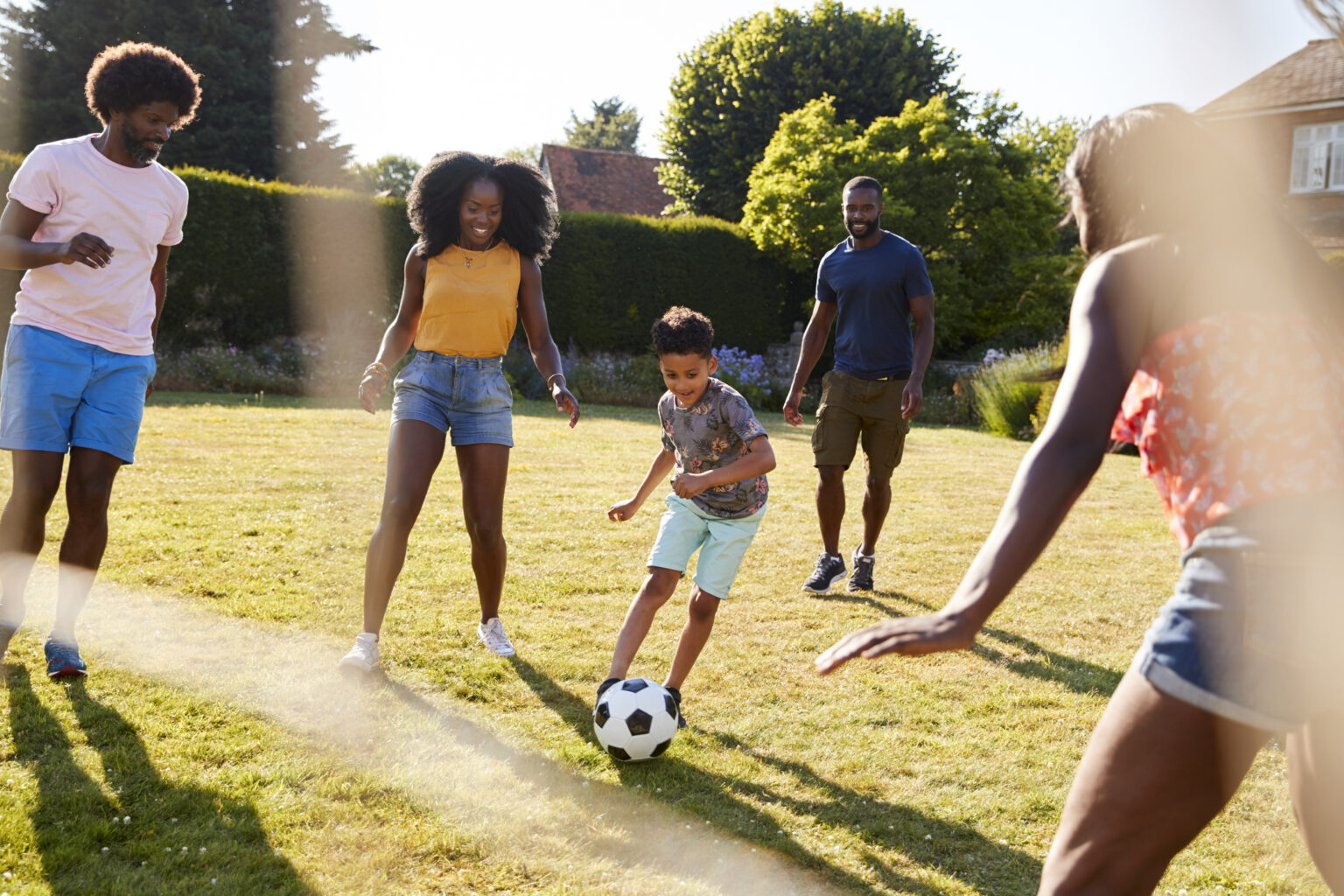
- kicking a soccer ball around at a nearby field
- watering plants together before bed
- going for ice cream and wandering the neighbourhood
These small rituals matter because they are sustainable. They weave connection into everyday life instead of turning family time into another thing parents have to organize, optimize and execute perfectly.
Which is probably why outdoor family routines can feel surprisingly restorative even when they’re incredibly simple.
Nobody’s saying fresh air solves every parenting challenge. But when families are feeling disconnected, overstimulated or trapped in a cycle of screens-school-stress-repeat, getting outside together can act as a reset button.
LEO is Canada’s largest and most trusted online panel. Join hundreds of thousands of parents who, just like you, share their opinions to help create a better world for their children. It’s free, secure, and easy to join and you’ll even be rewarded for your opinions with gift cards or cash transfers.