You don’t need a dedicated playroom—or a big budget—to give your child a place where curiosity is encouraged instead of constantly redirected. Here’s how to create a “yes space” for your toddler that works for your home.
Toddlers are born explorers. They want to open every cupboard, climb every chair, empty every basket and figure out exactly how the TV remote works. It’s how they learn.
Unfortunately, it’s also how many parents spend their days saying, “Don’t touch that,” “Get down” and “No.”
A “yes space” changes the dynamic.
The idea is that—instead of constantly redirecting your child—you create one area where almost everything is fair game. Within reason, they can touch, stack, dump, climb and investigate without hearing “no” every few minutes. It gives toddlers the freedom they crave while giving parents the peace of mind that comes with knowing the environment is working with them—not against them.
The best part? A “yes space” doesn’t have to be expensive or take up your entire home. Read on for the goods.
If you have one corner…
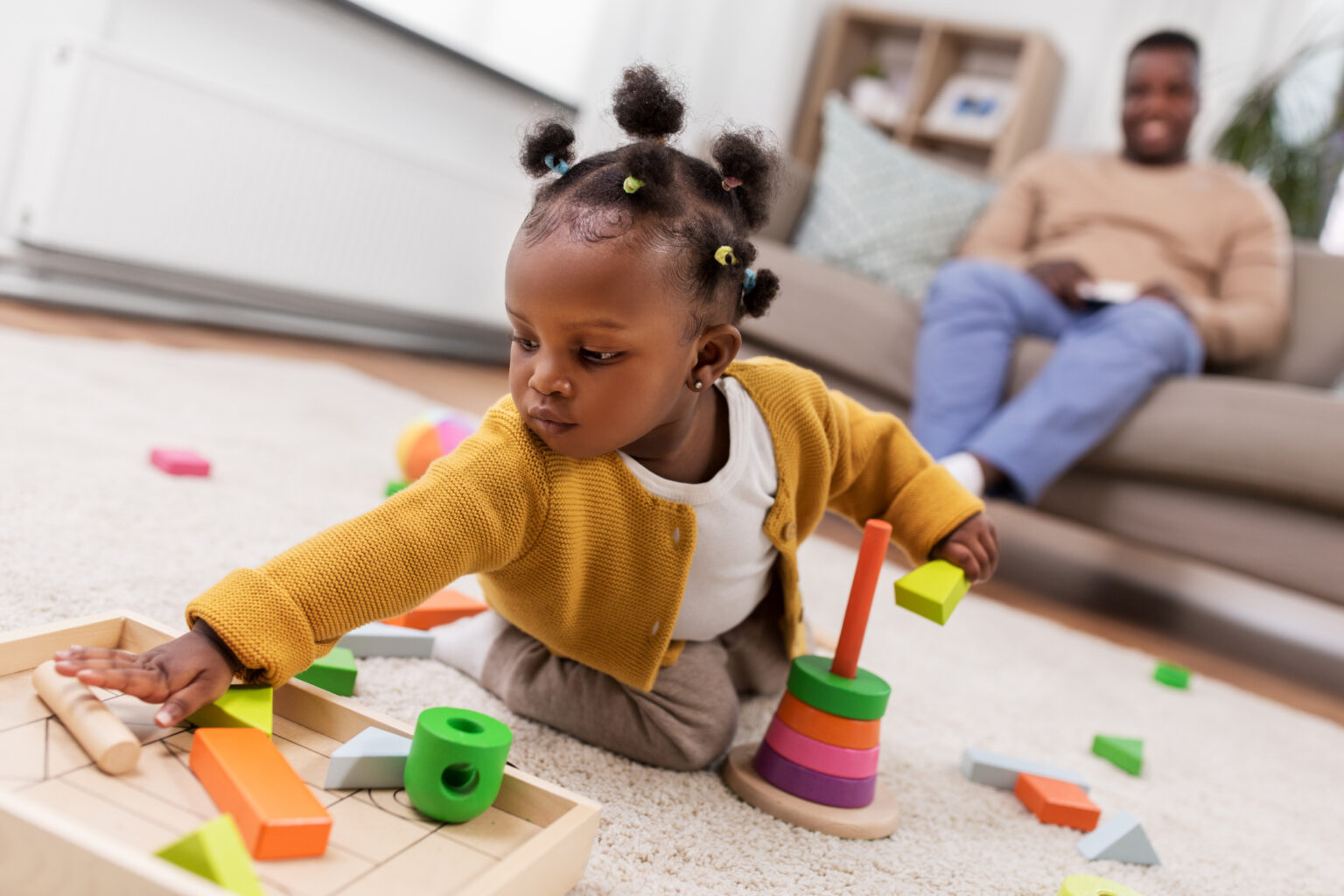
A “yes space” can be as simple as a rug and a low shelf.
Choose one corner of your living room, family room or your child’s bedroom and stock it with a handful of toys that fuel curiosity. Rotate items every week or two to keep things interesting instead of buying more.
Include things like:
- Board books in a low basket
- Wooden blocks or stacking cups
- Stuffed animals
- Puzzles
- Large crayons and paper
Store everything within your toddler’s reach so they can choose activities independently.
If you have room for a small play zone…
If you can dedicate a little more space, use a baby gate or furniture placement to define the area.
This doesn’t have to be a separate room—it might be one end of the living room or a section of the basement.
Think beyond toys by including opportunities for movement:
- Floor cushions for climbing, jumping and building
- A child-sized table and chair for colouring, puzzles or snacks
- A mirror mounted securely at toddler height
- Toy bins your child can open independently
- A few sensory activities that are easy to supervise
The goal isn’t to fill every inch. A little open floor space encourages toddlers to build, move and create.
If you have a playroom…
A dedicated playroom gives you more flexibility, but the same principles still apply.
Keep frequently used toys accessible on low shelves, rotate toys instead of displaying everything at once and avoid overcrowding the room. Too many choices can actually make it harder for toddlers to settle into play.
Consider creating a few simple activity zones, such as:
- Reading
- Building
- Pretend play
- Art
- Active play
Again, this doesn’t require custom cabinetry or expensive furniture. Open shelves, baskets and labelled bins work just as well.
Childproof first, decorate second
A successful “yes space” starts with safety.
Before inviting your toddler in, make sure you have done the follow safety checks:
- Anchor heavy furniture to the wall.
- Cover electrical outlets.
- Remove cords, breakables and choking hazards.
- Secure windows and blind cords.
- Keep medications, cleaning products and batteries completely out of reach.
The fewer things you’re worried about, the more freedom you can give your child. NOTE: You will have to supervise children in a “yes space,” but if all of the toys are allowed, you should be able to at least drink your coffee while it’s hot.
Save as you create a “yes space” by shopping your home
One of the biggest misconceptions about creating a “yes space” is that you need to buy lots of new toys.
In reality, toddlers are often just as fascinated by everyday household items as they are by the latest toy.
Try adding things like the following:
- Measuring cups
- Plastic bowls and containers
- Empty cardboard boxes
- Wooden spoons
- Muffin tins
- Painter’s tape
- Pillows for building forts
Rotating a few everyday objects into the space every week or two can make it feel brand new—without spending a dime.
Remember: It doesn’t have to be perfect
A “yes space” isn’t about creating an Instagram-worthy playroom. It’s about creating one place where your child can safely satisfy their curiosity without constant interruption.
You’ll still say “no” sometimes. That’s part of parenting.
But when your toddler has a place where the answer is almost always “yes,” you’ll likely find yourself saying it a whole lot more.