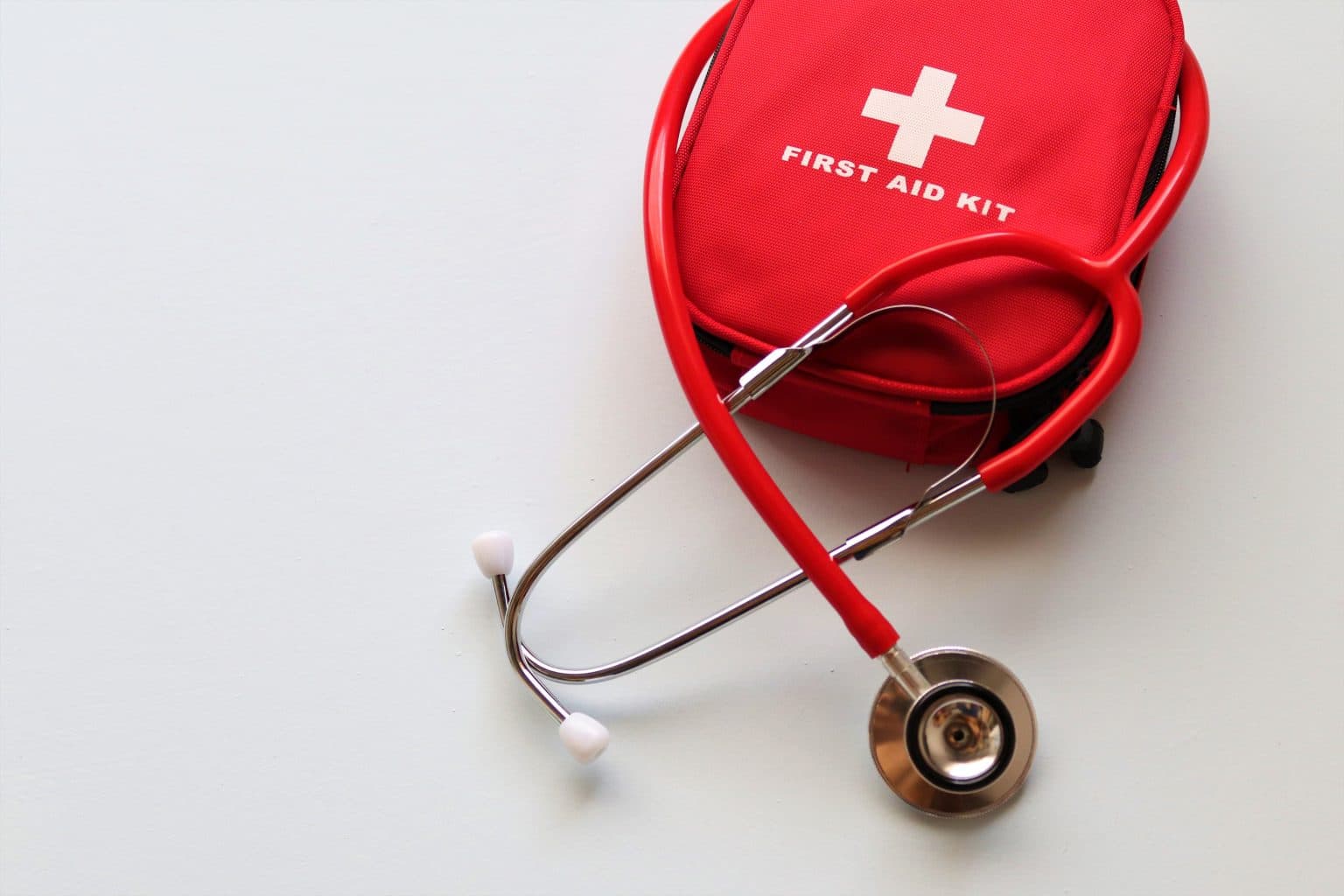
Cuts, scrapes, fevers and sprains never happen at a convenient time. Stocking your first aid kit with essentials is easy, then use our tips for making sure it’s ready when your family needs it most.
Keeping a stocked first aid kit at the ready—and checking it regularly to make sure nothing is missing—will cut down on panic when you’re faced with a bumped head or a scraped knee. Take note of the following supply list and schedule some time to go over and replenish the supplies you keep at home.
Pro tip: There’s no need to buy an expensive pre-made kit. Most families already have many of these items at home—you may just need a sturdy container to keep everything organized and easy to find.
What to keep in your first aid kit
A first aid kit for home use should contain the following. Remember to check your supplies and replenish them often.
- Emergency telephone numbers for EMS, the local poison control centre and personal doctors; include the home and workplace phone numbers of family members, friends and neighbours who can help
- Sterile gauze pads (dressings) in small and large squares to place over wounds
- Adhesive tape
- Roller and triangular bandages to hold dressings in place or to make an arm sling
- Adhesive bandages in assorted sizes
- Scissors
- Tweezers
- Safety pins
- Ice bag or instant ice packs
- Disposable gloves, such as surgical or examination gloves (non-latex, non-vinyl)
- Flashlight, with extra batteries in a separate bag
- Antiseptic wipes, soap and hand sanitizer
- Pencil and pad
- Emergency blanket
- Eye patches
- Thermometer
- Barrier devices, such as pocket mask or face shield
- Canadian Red Cross Child Care First Aid & CPR Manual
A few more tips for stocking your first aid kit
Make sure everyone knows where the kit is
A first aid kit won’t do much good if nobody knows where it is. Keep it in an easy-to-access location that’s out of reach of young children, and make sure every caregiver, babysitter and older child knows where to find it.
Check it twice a year
Set a reminder when you change the clocks in the spring and fall to go through your kit. Replace expired medications, swap out dead flashlight batteries and restock anything you’ve used.
Think beyond the house
A home kit is essential, but it’s also smart to keep a smaller version in your vehicle, purse or diaper bag. Include basics like bandages, antiseptic wipes, gloves and an instant cold pack so you’re prepared when you’re away from home.
Personalize it for your family
Every family’s needs are different. If someone in your household has allergies, asthma, diabetes or another medical condition, include any emergency supplies they may need, along with clear instructions for caregivers.
Keep medications separate
Many families choose to store medications in a dedicated container next to the first aid kit rather than inside it. This makes it easier to monitor expiry dates and helps prevent little hands from accessing them if the kit is needed in a hurry.