Starting solids is about much more than fun. Learn why the first year plays a vital role in your baby’s nutrition, development, allergy prevention and lifelong relationship with food.
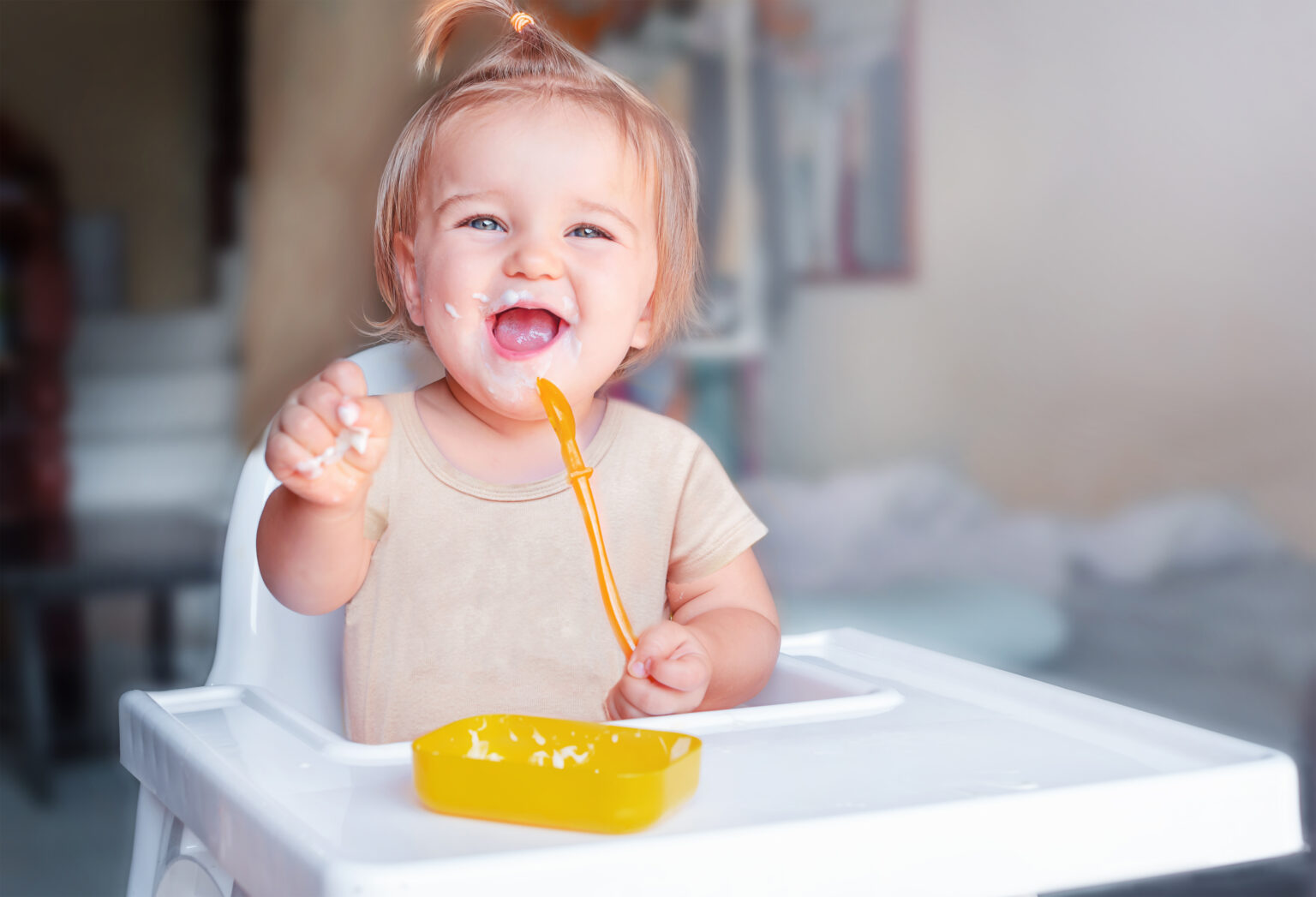
Food before one can be incredibly fun. There’s so much joy that comes with seeing your baby’s mouth water as they eagerly reach for the food you’ve prepared. It’s hilarious to see them pucker at something sour. And of course, cleaning up all the food they’ve tossed off their highchair tray is an absolute blast! Okay…maybe we could all do without that last one.
But is food before one just for fun?
Definitely not. We’re Registered Dietitians, and we’re going to tell you exactly why.
There’s a ton of development that happens as your baby learns to eat solid food, and there are potential consequences if they’re not given the right eating opportunities. Keep reading as we explain the risk of nutritional deficiencies, the increased risk of food allergies and the potential feeding challenges that may crop up for little ones who don’t get enough exposure to solid foods before age one.
Risk of nutritional deficiencies increases
There’s no way to put this without being blunt or sounding like fear mongers. The first 1000 days of life, which spans from conception to about two years old, is a time when the structure and function of a human is literally being formed. This period is particularly critical for brain, metabolism and immune system development. A baby’s brain can form up to 1000 new neural connections every second! That’s mind blowing! (Pun intended.)
Humans are amazingly resilient, but we require more than 40 nutrients to perform optimally. There are a few nutrients that a baby needs to get from solid foods starting at six months because the level of these vital nutrients isn’t enough in breastmilk and/or most infant formulas to meet the increasing demand for growth and development.
Iron
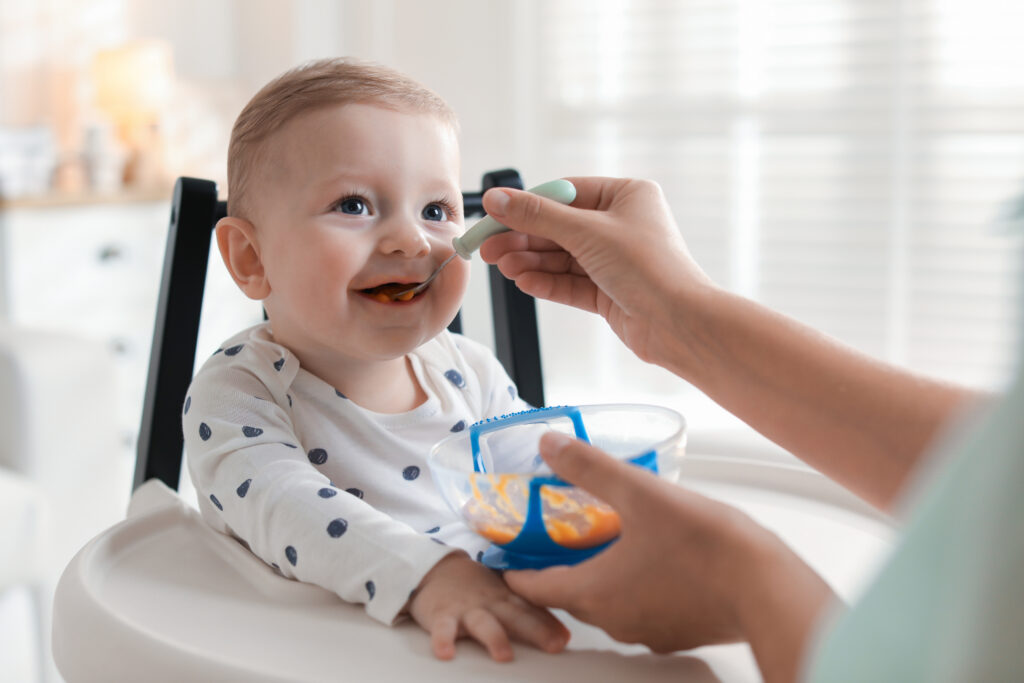
This is the big one! Most babies are born with all the iron stores they need to last until their half birthday. But at this point, they’ll need to get iron from food, and they need a lot of it. A baby’s iron requirement at this age is 1.4 times higher than an adult male.

For this reason, every time a baby eats a meal of solid foods, it should include at least one food with iron. In a recent survey, 83 percent of moms were aware their babies need iron-rich foods every day, but only 50 percent knew that an iron deficiency can result in irreversible developmental delays. Some iron-rich foods to focus on include beef, pork, lentils, tofu and iron-fortified baby cereal. While all sources of iron contribute to a baby’s high needs, only animal-based sources contain the heme type, which is absorbed at a much higher rate.
Zinc
Essential for immune function, wound healing and the development of taste and smell, this mineral is a powerful one. Zinc concentrations in breastmilk decrease over time, increasing the need for a baby to consume it from complementary foods. Thankfully, zinc and iron often cohabit in the same foods so when you focus on high iron foods, your baby will also get more zinc.
Risk of food allergies increases
It’s true that delaying solids may increase the risk of your child living with food allergies.
Research has shown that introducing allergenic foods early and often can help reduce the risk of developing food allergies later in childhood. One of the most influential studies, the Learning Early About Peanut (LEAP) trial in 2015, found that infants at high risk for allergy who were introduced to peanut between 4 and 11 months of age had an approximately 86 percent lower risk of developing peanut allergy compared with children who avoided peanuts.
Follow-up research suggests these recommendations are working. In 2024, the LEAP-Trio study found that children who were introduced to peanut in infancy were less likely to have a peanut allergy in adolescence, with a 71 percent lower risk compared to those who avoided peanut early in life.
Truly, the proof is in the science: Introducing common allergens during the first year of life provides an important opportunity to support both nutrition and allergy prevention.
Risk of feeding challenges and picky eating increases
The first year of life is full of milestones, but have you considered feeding milestones? Chewing, moving food around the mouth and swallowing different textures are motor skills, just like rolling, crawling and waving. And like any skill, babies need regular opportunities to practice.
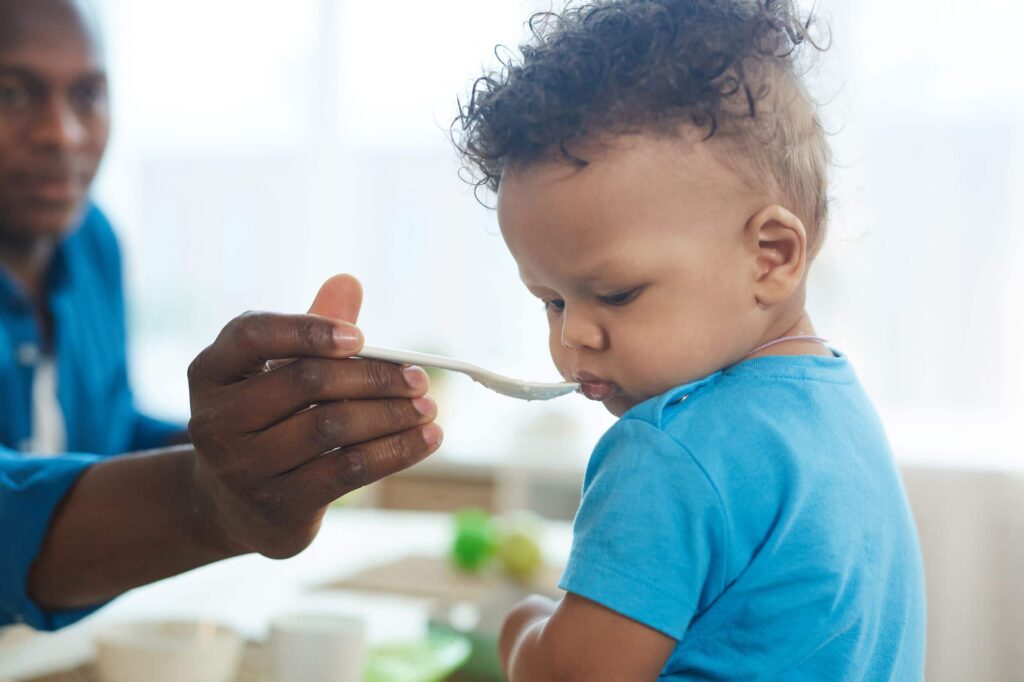
Research suggests there is a sensitive period during the second half of infancy when babies are especially receptive to new textures and food experiences. In the Dietitian world we call this the “window of opportunity.” Delaying exposure to lumpy textures may make it more difficult for some children to accept them later (lumpy textures include mashed potatoes, soft shredded beef and mashed chickpeas).
A baby’s brain is primed to learn during infancy, and repeat experiences help build familiarity and confidence. That’s why it’s an important time to gradually progress beyond smooth purées and offer a variety of foods and textures as your baby develops—this may be able to help prevent fussy eating as your child ages.
Beef is a great food to lean into nutritionally and also to support texture progression (plus, it’s an important source of iron). It’s really simple to serve puréed with some mashed sweet potato, then offer in sofrito, then gradually advance to juicy shredded sumac beef and over time progress to a little baby burger as a finger food.

The social consequences of delaying solids
Honouring food and feeding is important for how we gather, communicate and connect as human beings. Around the world, we—babies included—come together over food. Similar to nursing or bottle feeding, feeding solids responsively is an important attachment ritual.
Introducing solid foods creates opportunities for babies to participate in family meals and culture, to observe others eating and to learn through shared experiences. Even before they can join in conversation, babies are active participants at the table. They watch, imitate and babble with the people around them—this helps your baby develop a sense of relatedness.
Food before one is more than just fun
It might be tempting to avoid solids because “it’s one less thing to do” or perhaps because the misinformed in your circle or on your social media feed are really discouraging it. But, the reality is, there’s a lot at stake in terms of your baby’s development. Starting solids is a fundamental milestone—yes, it’s full of learning, fun and sharing memories, but it’s also a crucial time to prevent nutrient deficiencies, support optimal growth and development and meet feeding milestones.
If you have started solids but your baby isn’t taking much of an interest, reach out for help from a Registered Dietitian who specializes in feeding babies. There are many tools your dietitian can help you tap into to support your baby (and you!) on their eating journey.
Discover everything you need to support healthy choices at every age, including expert nutrition advice, inspiring recipes and helpful videos, in our digital hub: Healthy Living At Every Age.

Jessica Penner, BSc, Registered Dietitian
Nita Sharda, BSc, Registered Dietitian
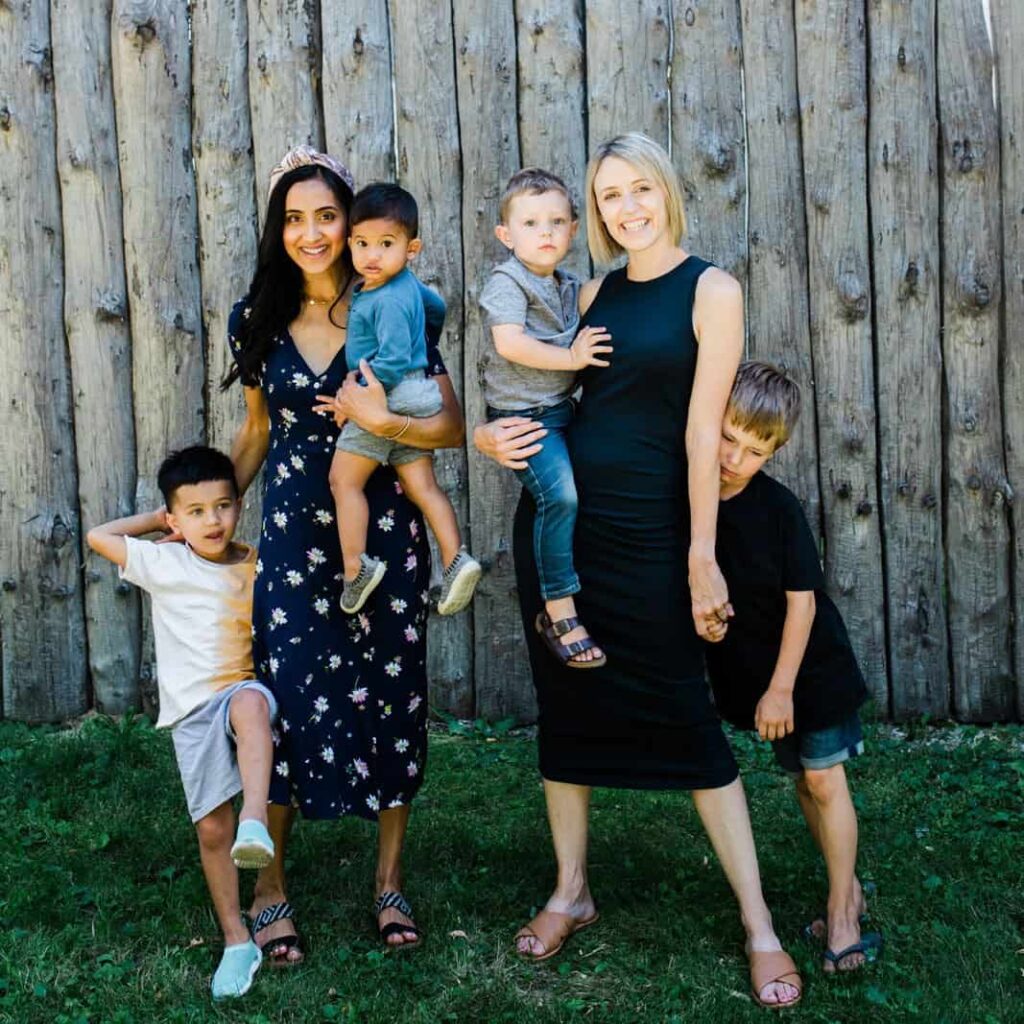
Combined, Jess and Nita have four children and over 28 years of experience working as registered dietitians. Their mission is to help parents feed from a place of love, trust and confidence so they can raise happy, healthy eaters. Visit happyhealthyeaters.com for more information.