
Good bone health for kids requires a team of nutrients. Here’s how to help your child build healthy bones for life.
When parents think about bone health for kids, calcium often gets all the attention. Growing up, many of us heard, “Drink your milk so you’ll grow strong bones!”
And while calcium does play a very important role, it’s only one piece of the puzzle. Growing strong bones requires a team of nutrients, including protein, vitamin D, magnesium and vitamin K.
Here’s why childhood is such an important window for bone growth, and the everyday foods and activities that help promote bone health for kids.
Why Childhood Is the Time to Build Strong Bones
Bone is living tissue that is constantly remodelled. Old bone is continuously removed and replaced by new bone. During childhood and adolescence, much more new bone is formed than removed, as the bones grow and become stronger.
Approximately 40 percent to 60 percent of bone mass is built during adolescence, with peak bone mass achieved by age 30. In childhood, we are “depositing into a bone bank.”
Dr. Famida Jiwa, president and CEO at Osteoporosis Canada, says, “Bone-healthy behaviours are important from an early age in order to optimize bone health and reduce the risk of developing osteoporosis in adulthood with the risk of fragility fractures.”

So, what determines bone health?
Both genetics and environmental factors influence bone health. Two environmental factors can influence how strong your child’s bones become:
Physical activity: Kids who are active gain more bone mass.
Weight-bearing exercises are the best for building bones, including running and jumping. This could include dancing, karate, basketball or just going to the playground or building an indoor obstacle course!

Nutrition: Bone health is shaped by the overall eating pattern rather than any single food. Frequently choosing pop instead of milk or a fortified milk alternative means children miss opportunities to get calcium, vitamin D and protein.
A very high sodium intake may also increase calcium losses in urine, which is another reason to offer mostly minimally processed foods.

Strong Bones Need More Than Calcium
Bones grow rapidly during childhood and adolescence, and so do the vitamin and mineral needs to support this growth. Calcium needs rise from 700 mg per day for children ages one to three to 1,300 mg during the teen years. Magnesium needs jump from 80 mg to 240 mg and Vitamin K from 30 ug to 60 ug during this same time span.
Calcium builds the structure.
- Role: Builds bone structure.
- Calcium sources:
- Milk, yogurt, cheese and fortified alternatives like soy beverage
- Collard greens, bok choy and broccoli
- Tofu set with calcium
- Canned salmon with bones
Vitamin D helps calcium do its job.
- Role: Helps absorb calcium.
- Vitamin D sources:
- Fortified beverages like cow’s milk, soy beverage or orange juice
- Eggs
- Fish
Magnesium and Vitamin K support bone formation.
- Vitamin K’s role: Activates a protein that helps calcium bind to the bone.
- Vitamin K sources:
- Dark green veggies like kale and broccoli
- Avocado
- Soy beans
- Magnesium’s role: Activates Vitamin D. More than half of our body’s magnesium is stored in bones, helping provide our skeleton with structure.
- Magnesium sources:
- Nuts and seeds
- Black beans
- Bananas
Protein provides the framework.
- Protein’s role: Collagen is a protein that provides the framework for bone, on which the minerals form. In fact, 50 percent of bone volume is made of protein!
- Sources:
- Beef, chicken and fish
- Soy and legumes
- Dairy
- Eggs
Is Your Child Getting Enough Protein?
“Protein is important as it forms the structure in our bones that holds calcium and is necessary to build and repair bone tissue,” says Dr. Jiwa. Research has also linked adequate protein intake with better bone development during childhood.
Most Canadian kids easily meet their protein needs. However, getting enough protein can be a struggle if your child doesn’t consume dairy or meat because of allergies, ethical reasons or religious beliefs. And if you have a choosy eater, they may prefer carbohydrates and eat fewer protein-rich foods.

The Dietary Reference Intakes set adequate protein intakes as guidelines. These are averages based on reference body weights. Individual needs can vary with body size and activity levels.
- One-to three-year-olds: 13 grams of protein per day
- Four-to eight-year-olds: 19 grams of protein per day
- Nine-to-13-year-olds: 34 grams of protein per day
- 14-to 18-year-olds: 46 grams for girls and 52 grams for boys per day
Getting enough protein and bone-building nutrients might sound overwhelming. If you want to know for sure, try out The Osteoporosis Nutrient Calculator.
Easy Meals That Support Growing Bones
The good news is that most children can get these nutrients through their diet.
According to Dr. Jiwa, “Whenever possible, Osteoporosis Canada advises trying to get bone-building nutrients through food sources.”
You don’t need to offer your child complicated supplements or “superfoods.” Everyday meals can provide what kids need to grow strong bones. These meal and snack ideas combine several nutrients that support growing bones.
Breakfast
- Greek yogurt topped with cereal and berries or in a smoothie
- Eggs, scrambled with spinach and served on toast
- Steak & Egg Breakfast Burritos
- Salmon cakes and broccoli with dip
- Bolognese Lasagna Rolls
- Bean or lentil veggie soup
Dinner
- Add firm tofu to a vegetable stir-fry
- Stovetop Ricotta Veggie Beef Pasta
- Skillet Perogy Shepherd’s Pie

Snacks
- Crackers with cheese, hummus or meat
- Meatballs and sliced veggies
- Hard-boiled eggs and fruit
Building Strong Bones Requires Consistency
Strong bones are not built by one perfect meal. They are built over time through regular physical activity and a varied diet.
Family meals with a variety of protein-rich, nutrient-dense foods like vegetables, dairy, legumes and beef will help kids build the healthy bones they need to stay strong and healthy for the rest of their lives.
For bone-smart recipes and more tips, check out ThinkBeef’s guide Healthy Bones, Healthy Life:
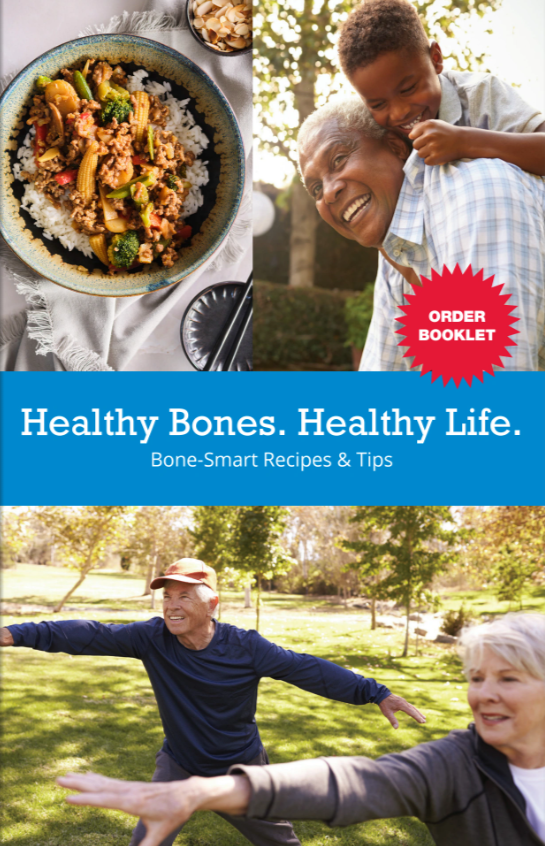
Discover everything you need to support healthy choices at every age, including expert nutrition advice, inspiring recipes and helpful videos, in our digital hub: Healthy Living At Every Age.

Jennifer House, Registered Dietitian
Jennifer House is a Registered Dietitian, mom of three and founder of First Step Nutrition in Calgary. She has authored two books and is an active media contributor. Jen believes raising happy, well-nourished eaters who have a healthy relationship with food doesn’t have to be a battle.