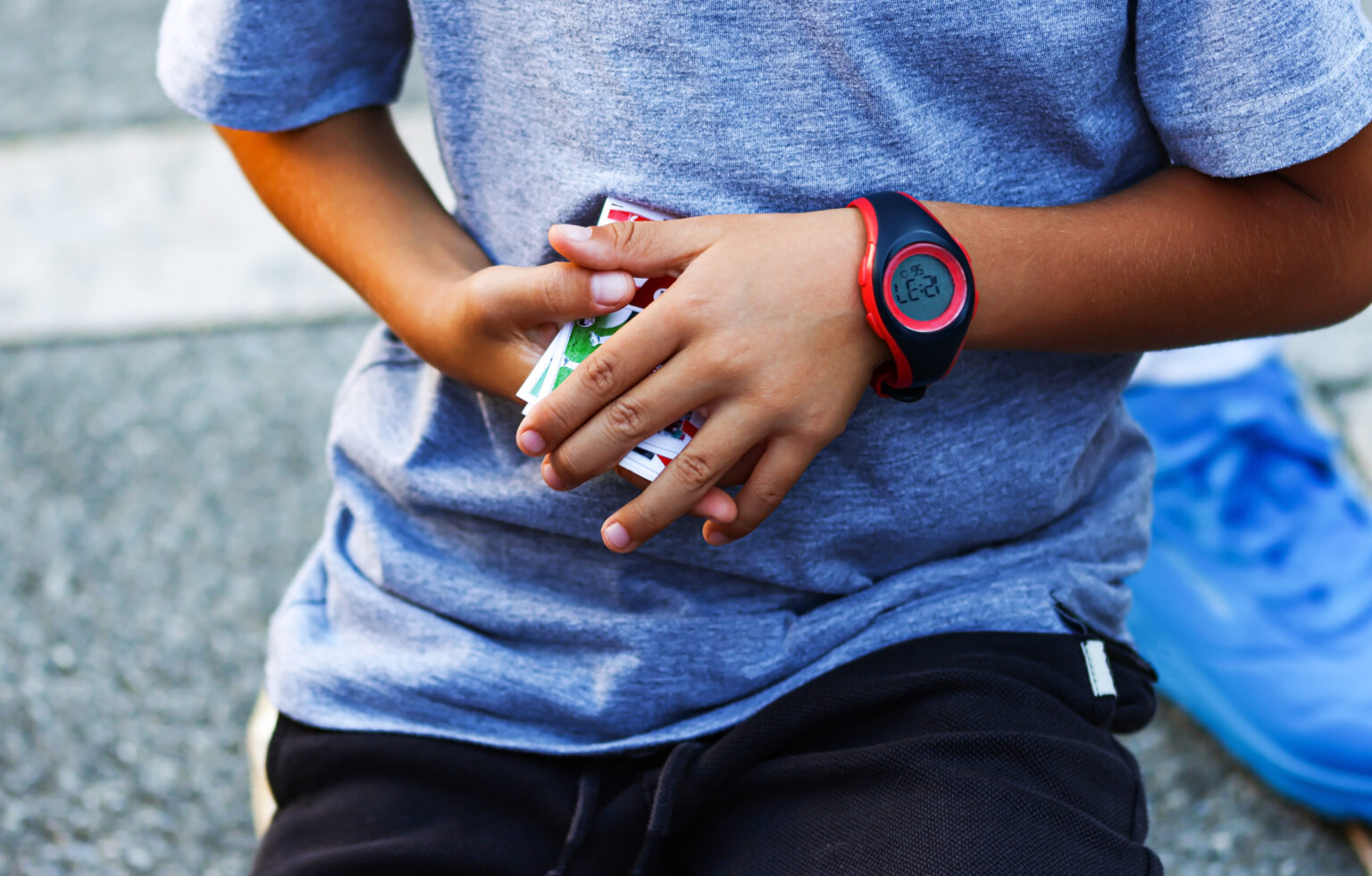
From trading cards and blind boxes to squishies and tiny treasures, collectibles for kids can be fun and social…and surprisingly high-stakes. Here’s how to let your brood enjoy the craze without getting pulled into every schoolyard dispute.
Collectibles have been finding their way into kids’ pockets and backpacks for generations. The objects change—marbles, baseball cards, Pogs, Pokémon cards, squishies, blind-box figures—but the basic formula is the same: Kids want them, adults don’t entirely understand why and sooner or later somebody comes home crying about a trade.
But that doesn’t mean collectibles for kids are something parents should discourage. Collecting and trading can give kids opportunities to socialize, negotiate and make their own decisions. The trick is establishing a few ground rules before that ultra-rare whatever-it-is becomes the source of a household crisis.
Let them decide what has value
One of the strangest parts of watching kids trade is realizing that their definition of value may bear absolutely no resemblance to yours. The tiny figure you know cost $15 might be worth less to your kid than the sparkly card their best friend has. Unless significant money is involved, try not to impose adult ideas about what constitutes a “fair” trade. Part of the fun of collectibles for kids is deciding what something is worth to them—and learning that they might feel differently about the deal tomorrow.
Talk about trading before the first trade happens
A few basic family rules about trading can prevent a surprising amount of friend drama. Kids should understand that both people need to agree to a trade, nobody should be pressured into giving something up and that, once a trade is made, they may not be able to undo it. For younger kids especially, you might decide that particularly valuable or beloved collectibles don’t go to school at all. If losing it would ruin everyone’s evening, that’s probably a good indication it should stay home.
Make room for a little regret
Your kid will eventually make a terrible trade. It’s basically a rite of passage. They will give away something they desperately want back or discover that the item they were promised was “super rare” is actually owned by half of the fourth grade. As long as nobody was tricked or bullied, resist the urge to immediately fix it. A low-stakes playground trade is a pretty safe way to learn about decision-making, negotiation and buyer’s—or trader’s—remorse. You can sympathize without calling the other kid’s parent to broker an international peace agreement.
Keep an eye on the spending
Collectibles for kids have changed in one significant way: There are now an awful lot of opportunities to spend real money chasing the thing you want. Blind boxes are specifically designed so buyers don’t know which item they’ll get, and the possibility of finding something rare can make “just one more” especially tempting. Decide ahead of time how much, if anything, your family is willing to spend. An allowance or set collectible budget can also put the decision in your kid’s hands: Is another mystery box worth $12 when it might contain something they already have?
Know when to step in
Most collectible drama can remain firmly in the category of Kid Problems. But there are times adults should get involved. Repeatedly pressuring a younger child into bad trades, taking items without permission, deliberately misrepresenting what something is worth or excluding kids based on what they own moves beyond ordinary playground negotiation. And, of course, if your school bans trading or certain collectibles, that settles the question during school hours.
Otherwise, you may just have to accept that your child currently lives in an economy where a two-inch plastic figurine can carry enormous social and emotional significance. Try to remember: We had our things, too. And somewhere, someone’s parent is probably still wondering why they spent good money on Pogs.