From making a grocery list and cleaning a bathroom to opening a bank account and setting up utilities, there are plenty of practical life skills kids need to learn before heading out on their own. Here’s an age-by-age checklist to help them get there.
Kids learn all kinds of impressive things as they grow up. They can solve complicated math problems, navigate technology that leaves their parents scratching their heads and memorize an astonishing amount of information about their favourite subjects. But ask them to separate their laundry, make a dentist appointment or figure out how much a week’s worth of groceries will cost, and things can get a little murkier.
The reality is that many of the skills adults use every day aren’t necessarily taught in school. And with busy schedules, homework, sports and everything else families have going on, it’s often easier for parents to handle the practical stuff themselves. After all, teaching a 10-year-old to clean a bathroom can take considerably longer than just grabbing the supplies and doing it yourself.
But learning to manage everyday responsibilities takes practice, and the sooner kids start, the more confident they’ll feel when they’re eventually responsible for themselves.
This list of 40 practical life skills is organized by age, from simple tasks younger kids can master to the more complicated responsibilities teenagers should tackle before adulthood. The age ranges are suggestions rather than deadlines, and some tasks will require supervision depending on your child’s abilities. The goal isn’t perfection or turning kids into miniature adults. It’s making sure they have the tools to take care of themselves when the time comes.
Ages 5–7: The Basics
At this age, kids are ready to start taking responsibility for small, manageable tasks around the house. The trick is to give them opportunities to practise, even when the results aren’t quite up to adult standards.
- 1. Make a simple snack. Prepare toast, spread peanut butter (where allergies aren’t a concern), wash fruit or assemble crackers and cheese without help.
- 2. Sort and put away laundry. Separate lights from darks, match socks, fold towels and put clean clothes in the correct drawers.
- 3. Make their bed and tidy their bedroom. Straighten blankets, put toys away, return books to shelves and keep the floor clear.
- 4. Set and clear the table. Count out the right number of plates, cups and utensils, then bring everything back to the kitchen after eating.
- 5. Pack their own school bag. Check what they’ll need for the next day, including homework, a water bottle, indoor shoes and any special supplies.
- 6. Learn basic emergency information. Know their full name, a parent’s phone number, their home address and how and when to call 911.
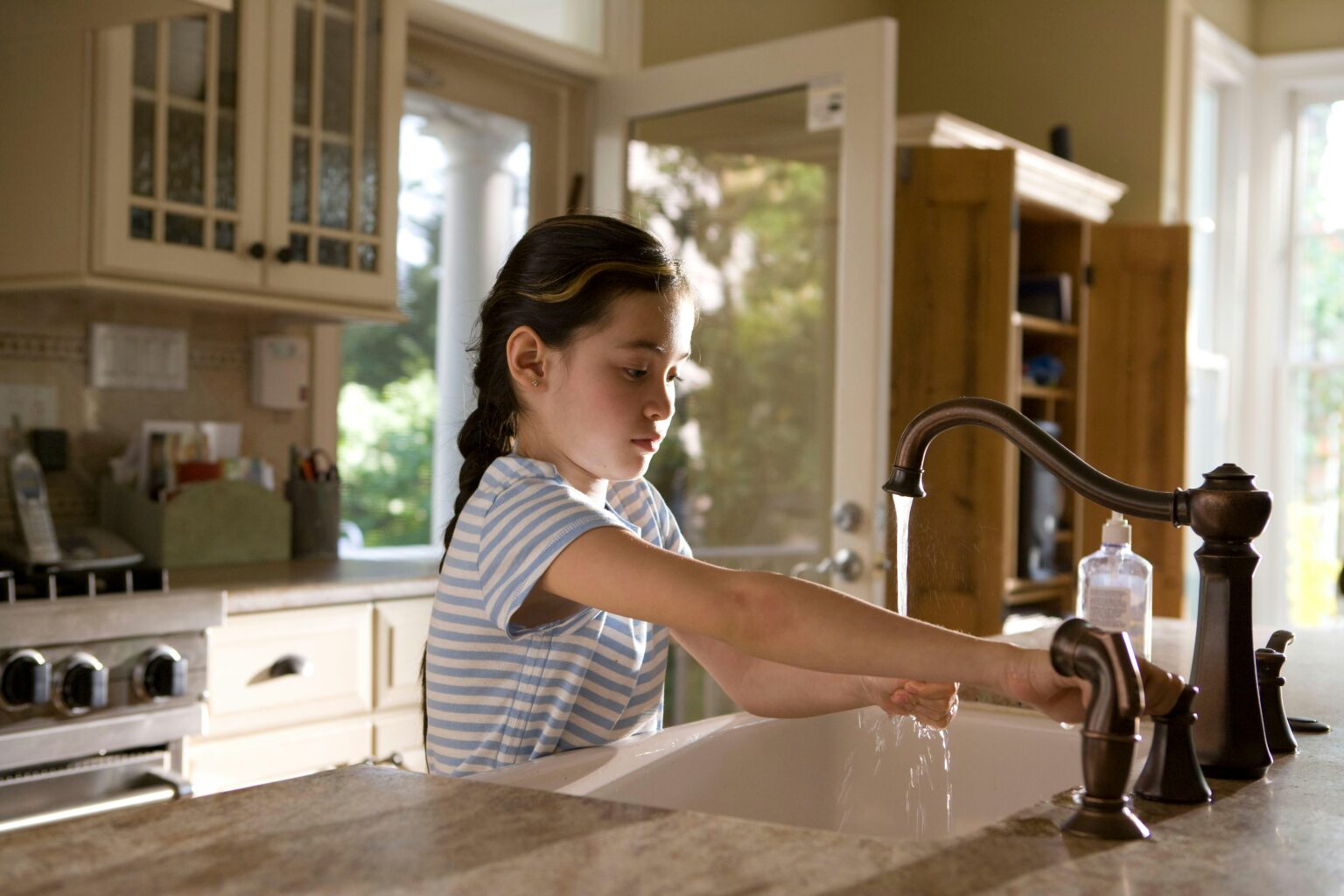
- 7. Handle basic personal hygiene. Brush their teeth properly, wash their hands, get dressed and understand when clothes need changing.
- 8. Help with simple household cleaning. Wipe a table with a damp cloth, dust low surfaces, sweep small messes and put garbage in the correct bin.
- 9. Recognize money and pay for a small item. Identify Canadian coins and bills, understand that purchases cost money and practise handing payment to a cashier.
- 10. Make a basic grocery list. Check the fridge or pantry with an adult, identify a few things the family needs and write or draw them on a list.
Ages 8–10: Building Independence
By the later elementary years, kids can handle more involved responsibilities, particularly when they’ve had a chance to watch an adult demonstrate the task first.
- 11. Follow a simple recipe. Read instructions, measure ingredients and prepare something like scrambled eggs, pancakes or a sandwich, with supervision around heat and sharp tools.
- 12. Make a grocery list for a meal. Choose a simple dinner, check which ingredients are already in the house and write down what needs to be purchased.
- 13. Shop for a few groceries. Find items in a store, compare package sizes, check prices and stay within a small spending limit.
- 14. Understand a basic budget. Divide allowance or gift money into spending and saving categories, and figure out whether they have enough to buy something they want.
- 15. Clean a sink and mirror. Learn which cleaning products are appropriate, how to use them safely and why chemicals should never be mixed.
- 16. Change their bedsheets. Strip the bed, put dirty linens in the laundry, fit a clean sheet and replace pillowcases.
- 17. Sew on a button. Thread a needle, make a few basic stitches and repair a loose button with adult guidance.
- 18. Read a clock and manage a schedule. Understand how long common activities take, read a calendar and prepare for appointments or extracurricular activities.
- 19. Write and send a proper email. Include a subject line, greeting and clear message, then sign off politely. Practise with a trusted family member.
- 20. Understand food storage and expiry information. Know which foods belong in the fridge, how to store leftovers safely and the difference between best-before dates and signs of spoilage.
Ages 11–13: Taking on Real Responsibilities
The middle-school years are an excellent time to move beyond helping with household tasks and start taking ownership of them. Kids this age can begin managing more of their own routines and making decisions with real consequences.
- 21. Do a complete load of laundry. Sort clothes, read care labels, measure detergent, operate the washer and dryer and put everything away.
- 22. Cook a complete meal. Plan and prepare a simple dinner such as pasta with sauce and vegetables, including timing the different components and cleaning up afterward.
- 23. Clean a bathroom properly. Scrub the toilet, clean the sink and mirror, wipe counters, clean the tub or shower and mop the floor using appropriate products and protective equipment.
- 24. Create and follow a weekly grocery budget. Plan a few meals, estimate ingredient costs, compare prices and adjust the shopping list to stay within a set amount.
- 25. Manage a bank account with parental guidance. Understand deposits, withdrawals, debit transactions and account balances, and learn how to recognize suspicious messages or requests for banking information.
- 26. Navigate a familiar route independently. Read a transit schedule or map, plan how to get to a familiar destination and know what to do if a bus is missed or plans change.
- 27. Make a phone call to request information. Call a store to ask about its hours, contact a library about a program or speak to a receptionist to ask a question.
- 28. Handle basic clothing repairs. Mend a small tear, remove common stains and understand when an item needs special cleaning.
- 29. Follow a household cleaning schedule. Vacuum, mop, empty garbage bins, clean frequently touched surfaces and understand how often different jobs need doing.
- 30. Understand basic first aid. Clean and cover a minor cut, recognize when an injury needs adult or medical attention and know where to find a first-aid kit.
Ages 14–17: Getting Ready for the Real World
By high school, the focus should shift toward the responsibilities teens will eventually need to manage without a parent standing beside them. These are the practical tasks that make the difference between knowing how to live independently and having to call home every time something goes wrong.
- 31. Book and manage their own appointments. Call a doctor’s or dentist’s office, explain why they need an appointment, check availability, record the details and understand how to cancel or reschedule.
- 32. Open and manage a bank account. Compare account options, understand service fees and transaction limits, set up online banking, use a debit card securely and recognize common banking scams. Some accounts may require a parent or guardian for minors.
- 33. Understand a paycheque. Read a pay stub, identify gross versus net income and understand common Canadian deductions such as income tax, CPP and EI, where applicable.
- 34. Create a realistic monthly budget. Calculate income and expenses, account for transportation, food, phone bills and entertainment, and set aside money for savings and unexpected costs.
- 35. Set up internet and other household services. Research providers, compare plans, understand contracts and installation fees, book a service appointment and learn how to set up a secure home Wi-Fi network.
- 36. Understand how renting works. Read a sample lease, calculate the cost of rent and utilities, understand deposits and tenant responsibilities, and learn the basics of renter protections in their province.
- 37. Plan and shop for a week’s worth of meals. Build a menu, create a grocery list, compare unit prices, stick to a budget and use ingredients across multiple meals to reduce waste.
- 38. Handle basic home maintenance. Change a light bulb safely, reset a tripped breaker when appropriate, use a plunger, locate the main water shutoff and understand when a repair requires a professional.
- 39. Manage important documents and accounts. Know how to find and safely store identification, a health card, a Social Insurance Number and banking information, and understand why sensitive documents shouldn’t be shared casually.
- 40. Advocate for themselves and solve everyday problems. Return a defective purchase, question an incorrect charge, speak to a landlord or service provider, ask for clarification about a bill and follow up when an issue hasn’t been resolved.
How to Actually Teach These Skills
Handing your teenager a checklist and expecting them to figure everything out probably isn’t going to work. Neither is demonstrating a task once and assuming they’ve mastered it.
A better approach is to teach a skill in stages. First, show your child how to do it and explain what you’re doing. Next, tackle the job together. Then let them take the lead while you’re available to help. Eventually, the task becomes something they can handle on their own.
It’s also worth resisting the temptation to swoop in when things aren’t done exactly the way you’d do them. A slightly crooked bedsheet, an imperfectly folded towel or a dinner that takes twice as long to prepare is a pretty small price to pay for learning something useful.
And there’s no need to tackle all 40 skills at once. Choose a few that make sense for your child’s age and abilities, work them into your regular family routines and build from there.
Because the goal isn’t to raise kids who can do everything perfectly by their 18th birthday. It’s to raise young adults who know how to figure things out, aren’t afraid to ask questions and can confidently handle the everyday responsibilities of life.
Including, yes, cleaning their own toilets.