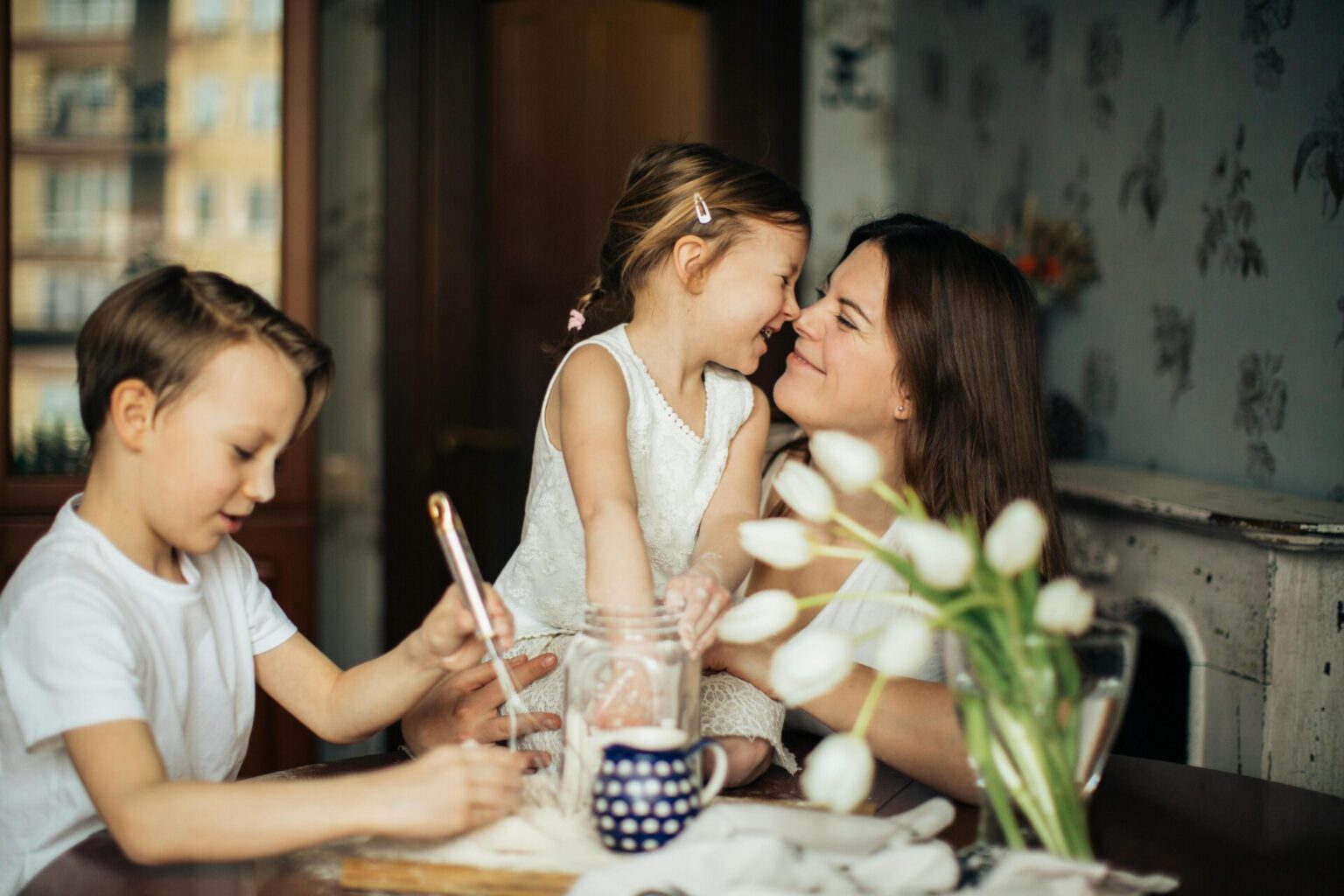
Did you know that your joy shapes your child’s emotional blueprint for life? Read on for how “the joy effect” is one of the most powerful things you can give your kids.
The pressure on modern moms is immense. We’re told to be everything: the perfect nurturer, the diligent playmate, the master organizer. And in the whirlwind of parenting young children—amid the snack requests, the tantrums, the endless laundry—we often place our own joy at the very bottom of the to-do list.
We dismiss it as a luxury, something to be pursued later, when the house is quiet and the toys are put away.
But what if I told you that your happiness isn’t a luxury? It’s not selfish. In fact, it’s one of the most critical and powerful parenting tools you have.
For our children, especially those under five, we are their entire world. They are neurobiologically wired to mirror our emotional states. And our joy doesn't just make our day better; it actively builds their emotional foundation for a lifetime. This is “the joy effect.”
It’s not about being happy all the time. That’s an impossible and damaging standard. True joy isn’t the absence of hard days; it’s the resilient thread of contentment, connection and presence that runs through them.
It’s the warmth in your voice, the sparkle in your eyes, the genuine laugh that escapes when you’re truly in the moment. This is the energy your child absorbs and learns to replicate.
The Science of a Smile: How Your Joy Builds Their Brain
From the moment they are born, our children are little scientists, constantly studying us to understand the world and their place in it. This process, called “serve and return,” is the heart of emotional development.
When your baby coos and you respond with a smile and a happy sound, you’re doing more than just bonding; you’re building neural pathways in their brain that associate connection with safety and pleasure.
This continues as they grow. When your toddler sees you light up as they show you a scribbled drawing, their brain registers, “My joy brings my mama joy. I am capable of creating happiness.”
When your preschooler sees you take a deep, calming breath instead of yelling when the milk spills, they learn emotional regulation. Your calm becomes their calm. Your joy becomes their model for what to seek out in life.
Their little minds are crafting an emotional blueprint based on your daily patterns. By prioritizing moments of genuine happiness, you are giving them a blueprint filled with light, resilience, and the knowledge that even on cloudy days, the sun is still there behind the clouds.
Harnessing the Effect: Joy as a Practice, Not a Perfection
So, how do we harness this power, especially on days when the baby won’t nap and the toddler is testing every boundary? We practice. We shift from chasing a state of constant happiness to consciously cultivating moments of joy.
This isn’t another item on your checklist; it’s about weaving tiny threads of delight into the fabric of your existing day.
1. Name your joy. Make it visible. At dinner or bedtime, share your “happy moment” of the day. It can be as simple as, “My happy moment was feeling the warm sun on my face when I pushed you on the swing.” This teaches your child (and reminds you) to actively look for and celebrate these tiny sparks.
2. Embrace micro-moments. You don’t need a whole afternoon to yourself. A micro-moment is a single, conscious breath while you sip your warm coffee. It’s putting on your favourite song for a two-minute kitchen dance party with your kids. It’s stopping to really smell their head after a bath. These moments are powerful resets for your nervous system and a clear lesson in mindfulness for your child.
3. Connect your joys to theirs. Your joy is most powerful when it’s shared. Your passion isn’t a distraction from parenting; it’s a part of it. If you love gardening, let them dig in the dirt with you. If you love to bake, give them a lump of dough to knead. When they see you engaged in something you genuinely love, they learn that pursuing passions is a vital part of a happy life.
The Ripple Effect: Filling Your Cup to Fill Theirs
Perhaps the most important part of this lesson is giving yourself permission to prioritize your own replenishment. It's a cliché because it's true…you cannot pour from an empty cup.
Taking time for yourself—whether it’s five minutes with a book after bedtime, a walk alone or a coffee with a friend—is not time taken from your children. It is an investment in them.
A happy, regulated parent is more patient, more present and more playful. When you return from even a short break feeling more like yourself, you bring a higher quality of connection back to your children. This creates a beautiful, positive feedback loop: Your joy fuels their sense of security, and their secure, happy behaviour fuels your joy.
The bottom line is, happiness is not the finish line you cross when all the work is done. It is the fuel that makes the journey beautiful. It is the most profound lesson in resilience, self-worth and emotional well-being you will ever teach.
So today, offer yourself grace. Find one micro-moment. Share one genuine laugh. In doing so, you are not just raising a child; you are nurturing a future adult who knows, deep in their bones, how to find and create their own joy.
Elvira V. Hopper is a proud mom to her incredible 30-year-old son, a multi-award-winning coach, speaker and healer who manifested her joyful, jazzy recording artist life at 51. She now inspires others to live aligned, authentic and fully self-expressed, so their joy leads the way.