Dek: If your child’s extracurricular activity is getting super competitive, you may often find yourself at a fork in the road. Here’s how to decide whether to lean in, stay recreational or step back—without losing sight of your child’s well-being.
When kids first start out in a hobby or extracurricular, it’s cute. You watch them learn something new, develop skill sets and make friends, and the activity becomes part of the family’s weekly rhythm. But after a few years, something shifts. What started as a joyful after-school or weekend pastime begins to morph into something else—something more competitive, with higher stakes and fees to match.
Pretty much every child and activity gets here eventually, whether your kid is into sports, dance, music, drama, karate—you name it. You start to hear whisperings from coaches, instructors and other parents. So-and-so is going to a tryout for a more advanced team. Another child has secured an agent. Parents are adding extra practices or one-on-one coaching to give their kid a leg up next season.
This is the fork in the road, for both kids and their parents. Do you keep it fun and stay in the recreational lane, or do you kick it up a notch to see what your child might be capable of? The pressure to decide can feel urgent and loaded, especially when time, money and identity are involved. But it should not be rushed or driven by fear. With the right lens, it can be a thoughtful decision that protects both motivation and mental health.
If you’re feeling unsure about which direction to take, here are a few things worth considering before you decide to up your child’s commitment—or not.
When fun is overshadowed by pressure
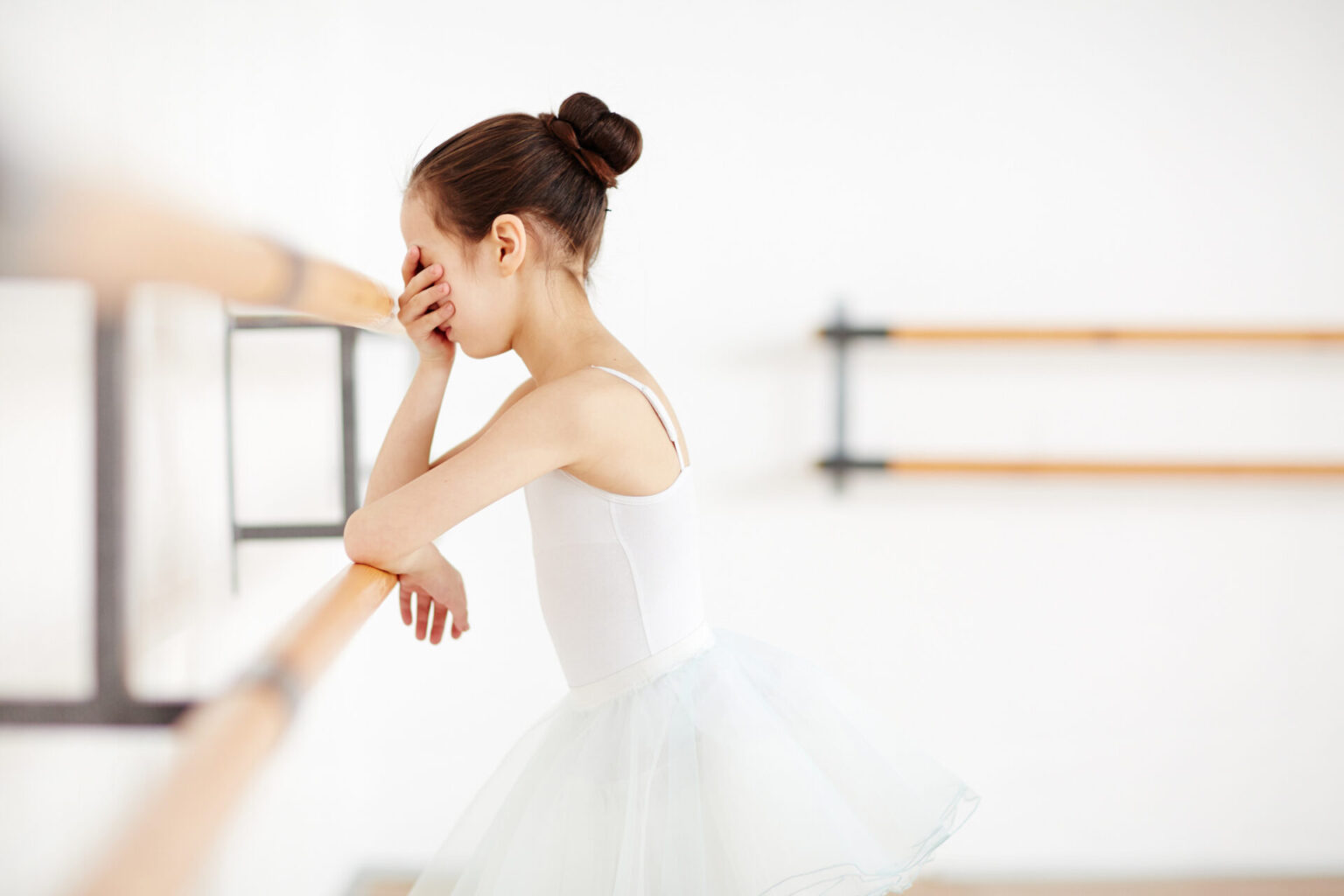
Often, the first sign that something is changing comes from your child. You might notice increased interest and even requests for more time spent doing their activity. But on the flip side, you may see a negative shift: dread before practices or lessons, frequent complaints of aches, pains or fatigue, heightened emotions around mistakes or even relief when the activity is cancelled.
Pressure can also creep in structurally, when extracurricular schedules start crowding out schoolwork, free play, family time or rest. Try to think back to the last time your child seemed genuinely excited about their activity. If you can’t recall, or if it’s been a long while, it may be time to pause and reassess. Research shows that when kids feel they no longer have control over their participation, early intensification can increase the risk of burnout. (Yes, even if you think you might have the next Sydney Crosby or Ariana Grande on your hands.)
Check in with your child to gauge their feelings
Choose a neutral moment to talk—not the car ride to practice or right after a tough lesson. Ask open-ended questions and let silence do some of the work. What still feels fun? What feels stressful? Has something changed for them?
The goal is information, not persuasion. If your child senses that you are hoping for a particular answer, they may shut down or tell you what they think you want to hear. Uncertainty is also important to notice. A kid who says, “I don’t know,” instead of, “I love it but I’m tired,” is communicating something that deserves time and respect.
Separate their expectations from yours
This is often the hardest part. Parents carry real pressure: the time commitment, the financial investment, fear of missed opportunities or being told that if you don’t lean in now, the door will close. Studies on youth sports show that adult stress can unintentionally shape children’s experiences and decisions, and the same holds true for other competitive activities.
This is where a gut check matters. Whose anxiety is driving the decision? Is your child asking for more or less, or are adults imposing urgency? Reframing your role can help. You are there to support development and autonomy, not to manage outcomes or future résumés.
Decide when to lean in, go recreational or step back
If your child is self-motivated, shows resilience after setbacks and still enjoys the activity, it may make sense to talk about leaning in. That doesn’t mean committing blindly. Have clear conversations about what increased commitment looks like, including time, cost and trade-offs.
If your child loves the activity but not the stakes, staying recreational is a valid choice. And if stress is outweighing joy, stepping back can be protective, not quitting. Think in seasons, not forever. Many Canadian kids take breaks from activities and later re-engage on their own terms.
If your child is truly all in—consistently, passionately and over time—and expresses a desire to pursue their activity seriously or professionally, your role shifts slightly. Support can still be thoughtful and guarded. Be honest about what your family can realistically manage, look into bursaries, grants or development programs, and keep the focus on skill-building and well-being rather than guarantees or timelines. Even on highly competitive paths, balance still matters.
Talk about ambition without making outcomes the goal
Ambition is healthy when it belongs to the child. The risk is letting goals turn into constant evaluation. Shift conversations away from results and toward effort, learning, creativity and recovery. This helps protect motivation regardless of selections, roles or wins and losses. Research consistently shows that autonomy-supportive environments are linked with stronger long-term engagement and satisfaction.
Redefine success so joy and confidence are top of mind
At a time when youth mental health is a major concern, extracurriculars should be a source of growth and belonging, not chronic stress. Success does not have to mean advancement or accolades. It can mean confidence, connection, pride and joy.
Your child can be the weakest player on the team or the least polished performer on the stage, but if participation builds confidence and happiness, it still counts. At the “should we go competitive?” fork in the road, the best choice is the one that allows your child to keep showing up as themselves—curious, capable and supported—whether they push harder, stay where they are or step away to try something new.