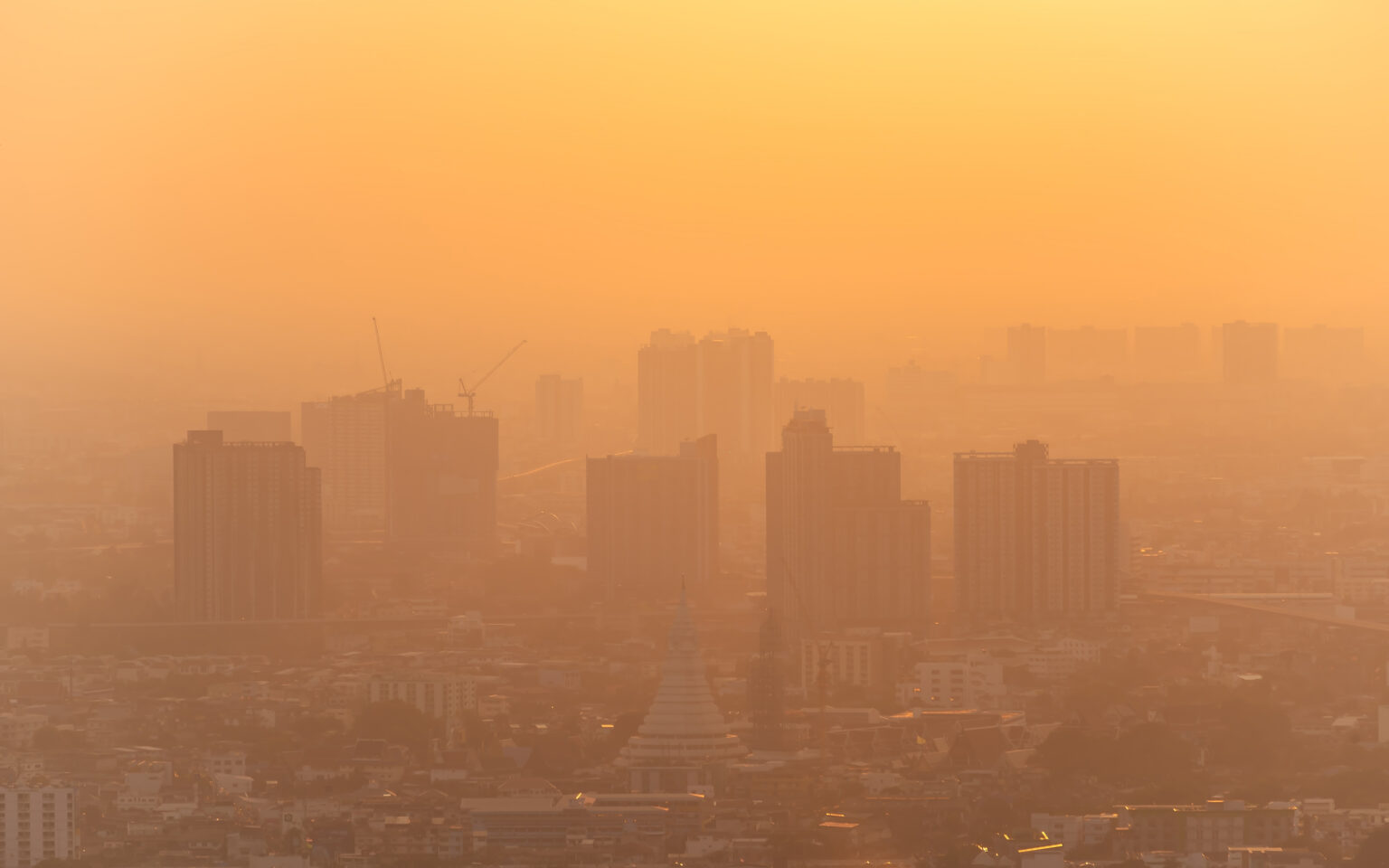
Wildfire smoke has become an unfortunate part of Canadian summers, but that that means we should all be ready. Here's how to understand air quality alerts, prepare for poor air quality and get ready for the next smoky day.
It doesn't matter where you live in Canada anymore—wildfires and the smoke that comes with them have become an increasingly expected part of summer. Even if the nearest fire is hundreds of kilometres away, shifting winds can carry fine particles into your community, creating hazy skies and unhealthy air.
The biggest concern isn't the smell of smoke or the hazy sky (though that’s certainly off-putting)—it's the tiny particles suspended in the air. Known as PM2.5, these microscopic particles are small enough to travel deep into the lungs, where they can irritate the respiratory system and make breathing more difficult.
Children are especially vulnerable because they breathe more air relative to their body size than adults, spend more time being active outdoors and have lungs that are still developing. Smoke can irritate the eyes and throat, trigger asthma attacks and make vigorous outdoor play risky on days when air quality is poor.
Read on for how to understand the air quality ratings and how to better protect your kiddos.
What do AQHI numbers actually mean?
One of the easiest ways to know whether it's safe to spend time outside is by checking your local Air Quality Health Index (AQHI). The AQHI measures air pollution levels—including wildfire smoke—and ranks the potential health risk on a scale from 1 to 10+, making it easy to decide whether it's a good day to head to the park or if it’s smarter to stay indoors.
Here's a quick guide:
- AQHI 1–3 (Low Risk): Outdoor play, sports and family activities can continue as usual.
- AQHI 4–6 (Moderate Risk): Most families can still enjoy time outside, but children with asthma or other respiratory conditions may need to take breaks or reduce strenuous activity if symptoms develop.
- AQHI 7–10 (High Risk): Consider moving sports, playground visits and vigorous outdoor play indoors, especially for babies, young children, pregnant people and anyone with heart or lung conditions.
- AQHI 10+ (Very High Risk): Stay indoors as much as possible, keep windows and doors closed and avoid strenuous outdoor activity. If you do need to go outside, keep trips short.
Smoke conditions can change quickly throughout the day, so make a habit of checking the AQHI before heading out—not just first thing in the morning.
How to prepare for poor air quality before smoke arrives
The best time to prepare for poor air quality isn't during an alert—it's before one happens.
A few things are worth having on hand to ensure you’re ready. These things include the following:
- A portable HEPA air purifier for your main living space or your child's bedroom.
- Replacement furnace or HVAC filters, if applicable.
- Enough asthma medication or inhalers to last several days.
- A few indoor activities ready to go for smoky afternoons.
What to do when smoke moves in
If your community is under an air quality advisory:
- Keep windows and exterior doors closed.
- Run your heating or cooling system on recirculate, if possible.
- Use a HEPA air purifier to improve indoor air quality.
- Move indoors or cancel sports practices and other outdoor activities if air quality is poor.
- Watch for symptoms like coughing, wheezing, sore eyes, headaches or unusual fatigue.
If your child has asthma or another respiratory condition, follow the action plan provided by your healthcare provider and seek medical care if symptoms worsen.
Don't forget about your pets
Our furry family members can also be affected by wildfire smoke. Dogs, cats and other pets may cough, wheeze or tire more easily when air quality is poor. Keep walks short, avoid strenuous outdoor exercise and make sure they have access to fresh water and clean indoor air.
What families can do beyond their own backyard
Wildfires aren't just an air quality issue—they're affecting families, communities and ecosystems across the country. While governments and emergency agencies play the biggest role in prevention, preparedness and response, there are meaningful ways individuals can help, too.
If you're looking to make a difference, consider:
- Supporting disaster relief efforts. When communities are evacuated or displaced, consider donating to reputable organizations providing emergency assistance, food, shelter and recovery support. Even small donations can have a meaningful impact.
- Helping locally. Food banks, community organizations and animal rescue groups in affected areas often need donations, supplies or volunteers during and after wildfire events.
- Reducing your own wildfire risk. If you live in a fire-prone area, follow local guidance around campfires, outdoor burning and fire bans, and keep your property as fire-resistant as possible.
- Talking to your kids. Wildfires can be frightening, especially when smoke is visible or they hear about evacuations in the news. Answer questions honestly, reassure them that many people are working to keep communities safe and focus on the steps your own family is taking to stay healthy.
- Supporting long-term solutions. The increasing frequency and intensity of wildfires is a complex issue that requires action on many fronts, including climate adaptation, forest management and community preparedness. Staying informed and supporting evidence-based solutions can help build more resilient communities over time.
While we can't control where the smoke travels, we can take steps to protect our own families and prepare for poor air quality while remembering that many Canadians are facing far greater challenges than hazy skies. A donation, a helping hand or even sharing reliable information can make a meaningful difference.