In this month’s The Thinking Parent column, Tina Powell explores the powerful connection between memory, comfort foods and the people who shape our tastes. And if those memories make you crave peanut butter cookies, too, we’ve got a recipe for you.

We all have our own list of comfort foods. The go-to foods that we reach for to bring us solace on a cold, rainy night, after a long, hard day at work, or after a bad break-up. (Did somebody say rocky road ice cream?) But there is a special category of comfort foods that are head and shoulders above the rest. I call them the “mom foods.” Just the mere thought of these foods warms the heart and nourishes the soul. For me, it’s my mother’s homemade gnocchi, any type of pie and her melt-in-your-mouth peanut butter cookies.
Whenever I roll small balls of peanut butter dough and press them lightly with a sugared fork, it’s as if my mother is smiling over my shoulder. Unfortunately, that’s not possible. She passed away in 2012. Yet, she also visits me when I’m indulging in potato chips and dip, hot cross buns or chocolate-covered cherries. While savouring some of the latter this past Valentine’s Day, I couldn’t help but wonder: Are “mom foods” simply edible nostalgia or is there science behind them?
Simply Sentimentality or Science?
It does not escape me that all the “mom foods” I love are the same foods my mother loved. However, just how much can a mother’s food preferences influence a child? A study published by the National Library of Medicine points out that our flavour senses are already well developed at birth. What’s more, amniotic fluid and breast milk carry the taste of the food mothers eat. As such, our desire for these foods develops through repeated exposure from a very early age.
“Like Parent, Like Child” is the title of another study published by the National Institute of Health which examines the food and beverage choices of preschool-aged children. These researchers found that “children begin to assimilate and mimic their parents’ food choices at a very young age, even before they are able to fully appreciate the implications of these choices.” Apparently, we aren’t just what we eat, we’re also what our parents eat.
Why “Mom Foods” are Comfort Foods
Author Bell Hooks romantically captures what home meant to her as a child. She wrote, “In our young minds, houses belonged to women, were their special domain, not as property, but as places where all that truly mattered in life took place—the warmth and comfort of shelter, the feeding of our bodies, the nurturing of our souls.” It is any surprise that “mom foods” elicit such an emotional response. When the aroma of my grandmother’s simmering spaghetti sauce greeted me at her front door it was akin to receiving a loving embrace. And just the thought of my Aunt Betty’s butter tarts makes me feel warm and tingly all over.
It turns out there is also a science behind these emotional reactions. According to Kristin Klinefelter, a registered dietician nutritionist, eating our favourite comfort foods causes our brain’s hypothalamus to release dopamine—the feel-good hormone. Plus, simply thinking about these foods can trigger a dopamine release. Klinefelter highlights that dopamine has many positive effects on the body, including improved digestion, focus, mood and stress management.
But What If Your Feel-Good Foods Are Bad For You?
Of course, if you’re anything like me, many of your “mom foods” may be high in sugar, fat or calories. Does that mean we are destined to a life of only thinking about these foods? The short answer is no. The consumption of high sugar or high fat foods releases another hormone called leptin which helps to suppress hunger and promote satiety. Klinefelter states as long as we listen to these feelings of fullness and stop eating, it’s all good. She insists, “If a comfort food simply brings a smile, happy feelings, good memories or positive emotions, it is a healthy experience!”
How to Make the Most of Memory-Associated Foods
Here are just a few ideas on how to savour the scrumptious feelings these yummy foods deliver:
Think beyond the person. Although I call these special comfort foods “mom foods,” they can just as easily be dad foods, parent foods, grandma foods, auntie foods…you name it. The fried potato-and-ketchup sandwiches my dad used to make me are still a favourite of mine. (Don’t knock it till you’ve tried it!)
Share the love. Comfort foods make fabulous gifts. My daughter-in-law recently gave me a beautiful jar of her homemade granola with the recipe attached. Such a thoughtful and delicious treasure! If you do love to cook and have the time, host a potluck comfort food dinner with friends or family. Best of all, I personally find store-bought bakery pies produce just as much dopamine as the homemade varieties!
Think positively. I know from experience that not all family dynamics are peaches and cream. My relationship with my father was complicated at best. But just as my mom’s peanut butter cookies fill my heart with gratitude and love, the foods that remind me of my dad create space for forgiveness. That alone is a source of comfort, don’t you think?
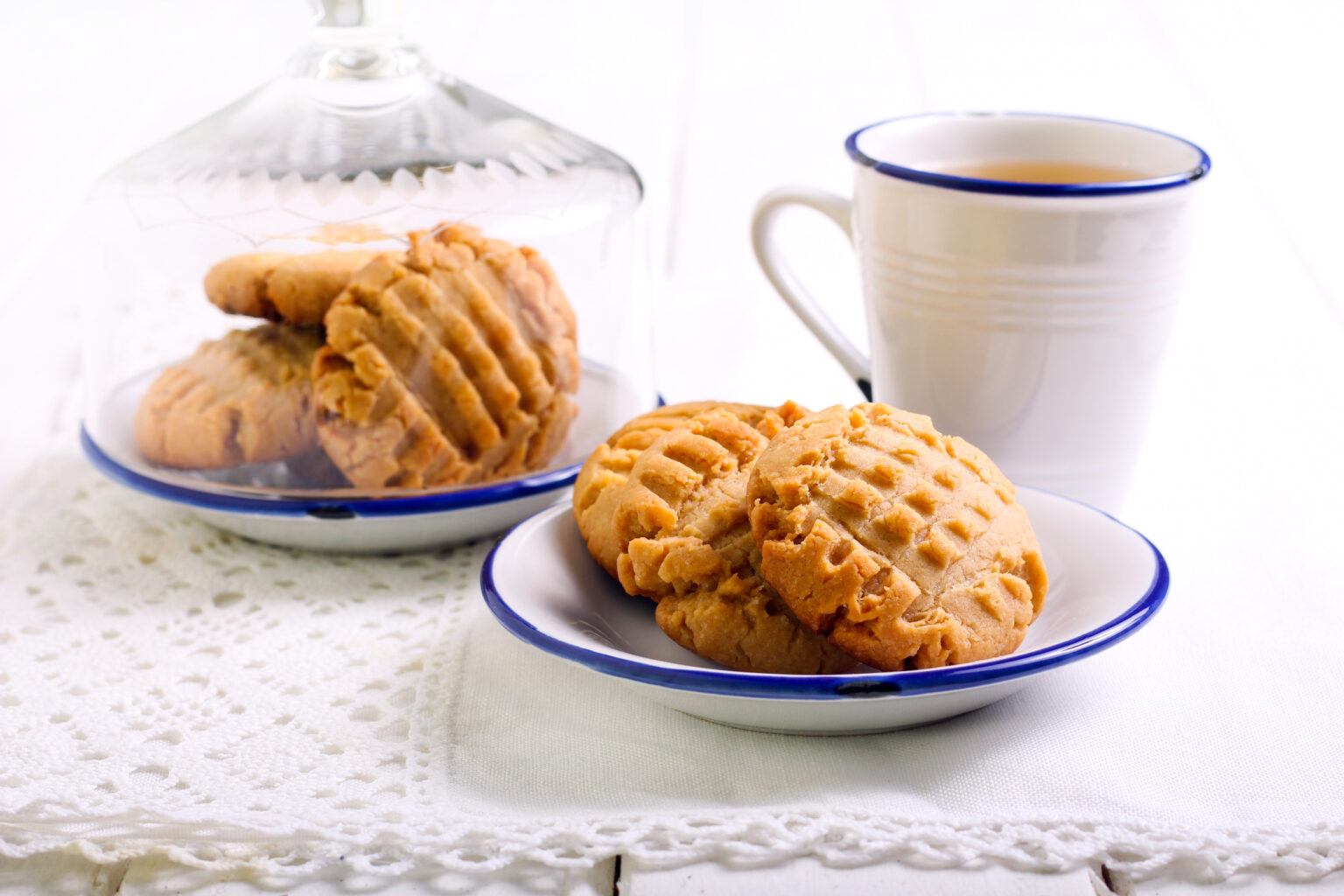
Missing someone today? Baking can be its own kind of comfort. Try our recipe for deep-dish peanut butter cookies and start a few sweet memories of your own.