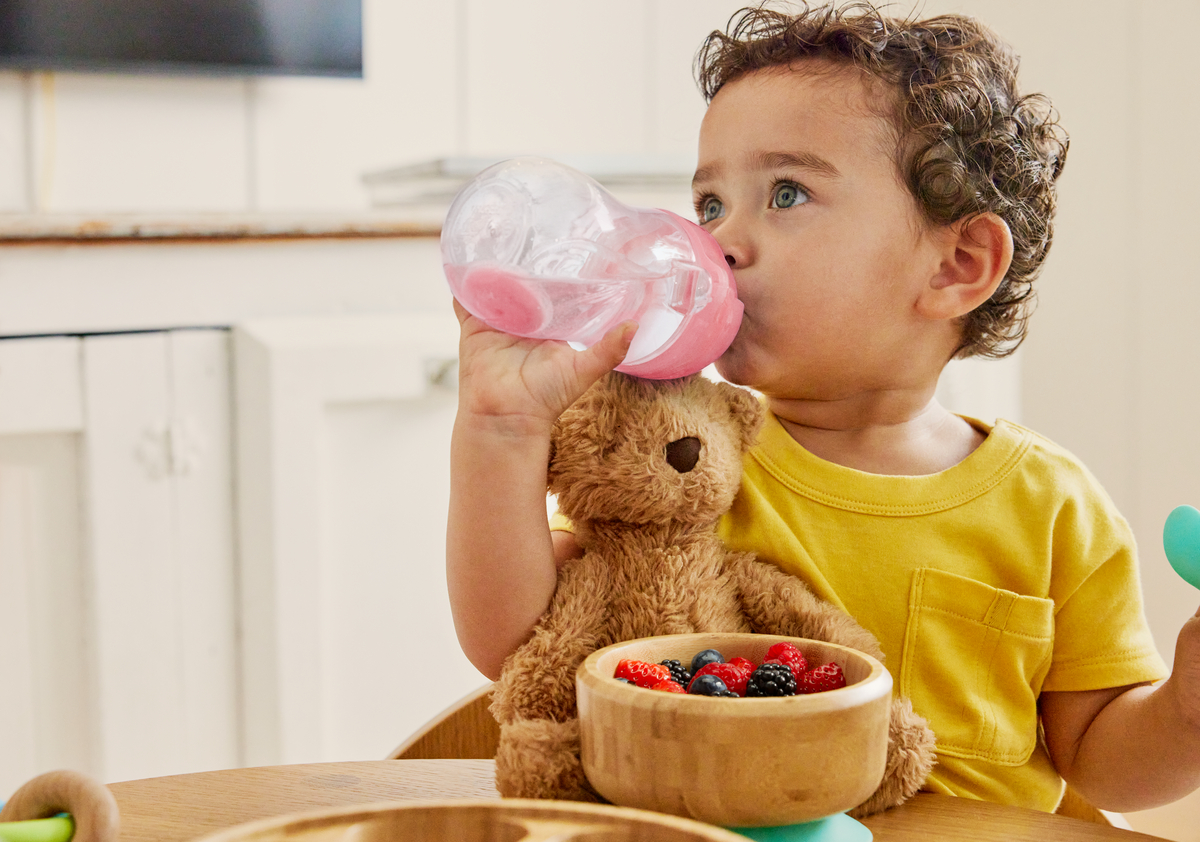
Introducing your toddler to family mealtime can lay the foundation for great eating habits and good manners. Here’s how to make the transition smooth and enjoyable for everyone at the table.
Both good eating habits and proper table manners begin at the dining room or kitchen table, so as tempting as it is to pop your unruly babe in a highchair in front of the television, try to implement family dinner time whenever possible. Here’s how to get started.
When to start
As soon as your little one is ready for solid foods, they are also ready to join the family at the table in a chair that can be pulled up or securely attached. Look for an option that is compact, adjustable, easy to store, and neutral enough to blend in with your existing furniture. Realistically, most young children will not make it through an entire meal and will not sit quietly while the adults finish eating. If they last 10 or 15 minutes, consider it a win and feel free to excuse them to go play.
What you’ll need
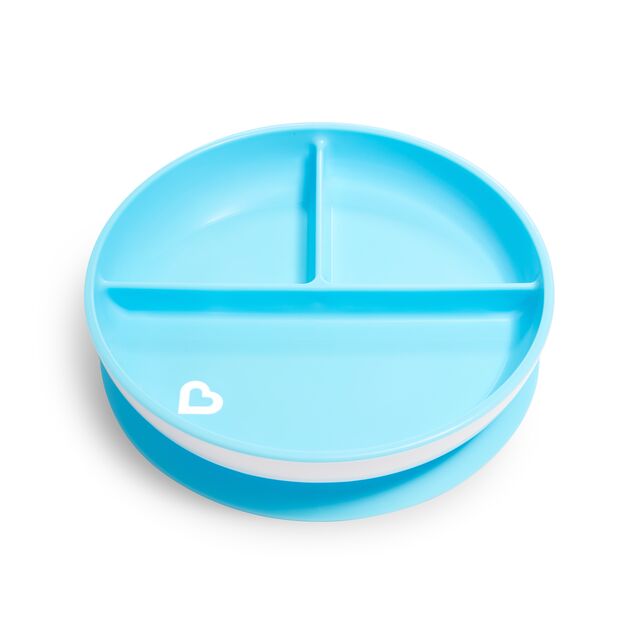
Your toddler won't be eating with silver cutlery atop grandma’s fine china—and you wouldn’t want them to. Current products on the market are brightly coloured, dishwasher-friendly silicone that makes your life easier while encouraging your toddler to love dinnertime. Look for non-throwable plates, like the Munchkin Stay Put Suction Plate, and spill-proof cups, like the Munchkin Miracle 360° Cup.
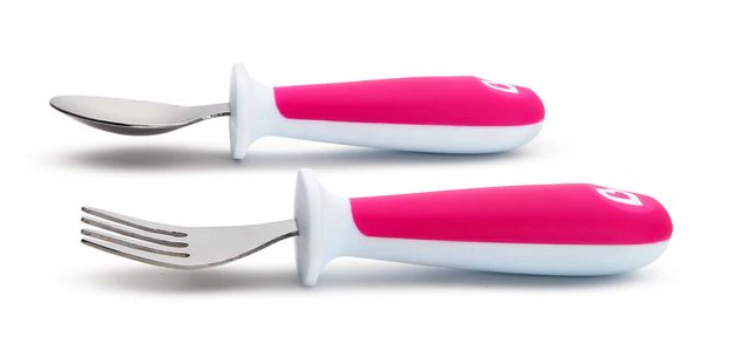
Somewhere between 18 and 24 months, they’ll take to a fork or spoon and (slowly) learn to use them. Since toddler utensils will inevitably land on the floor, a lot, try the Munchkin Raise Toddler Forks and Spoons—their ergonomic design has wide base so that the eating end will never touch your floor.
Stay on schedule (and give a heads-up)
Like all other activities in your toddler’s world, family meals will go more smoothly if dinnertime happens at the same time in the same place every night. The ability to eat dinners out and in other locations is an important skill too, but when you’re at home, a clear routine will help your kid understand what’s expected, when and for how long. A five- or 10-minute warning in advance, meanwhile, will let them finish what they’re doing, wash their hands and head to the table.
Modify your menu (just a bit)
Don’t base dinner entirely around a child’s preferences, but do chat with even little kids about what they’d like to eat. Incorporating them into prep—washing veggies, tossing a salad—can get them psyched for what you’re serving while letting you make (reasonable) modifications to accommodate little palates. Keeping sauce on the side, or offering a serving of raw veggies or a no-spice version of whatever the grown-ups are having are great compromises that will please all parties.
Try, try again
No one said toddlers are logical, so it’s very possible that even though they’ve thought (and said, loudly) that broccoli is totally disgusting for months on end, one of these days they might take a bite and decide it’s their favourite. Don’t assume your kid will never eat a Brussels sprout so there’s no point of even trying. Do sneak one onto their plate and hope that today’s the day.
Choose your battles
Mealtimes and food in general is a great place for your toddler to exercise the small control they have over their life; you need them to eat, and they know it, so continually testing you (not to mention pushing your buttons!) is completely normal toddler behaviour. If they won’t eat or aren’t hungry, don’t force them and start a fight you won’t win. Instead, tell them that’s just fine, but they’re still invited and expected to sit with the rest of the family during dinner.
For more about the toddler years, check out our Parenthood Essentials Hub.